












15th May 2026 I 3-5 Minute read
Abstract Art

What is Abstract Art?
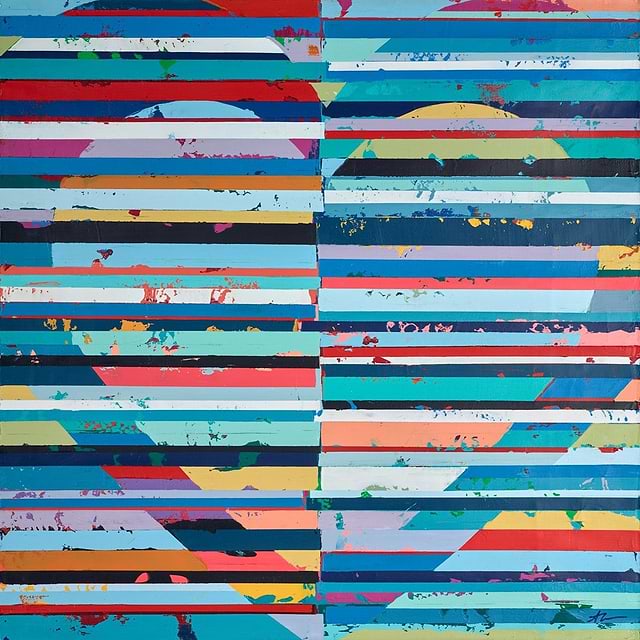
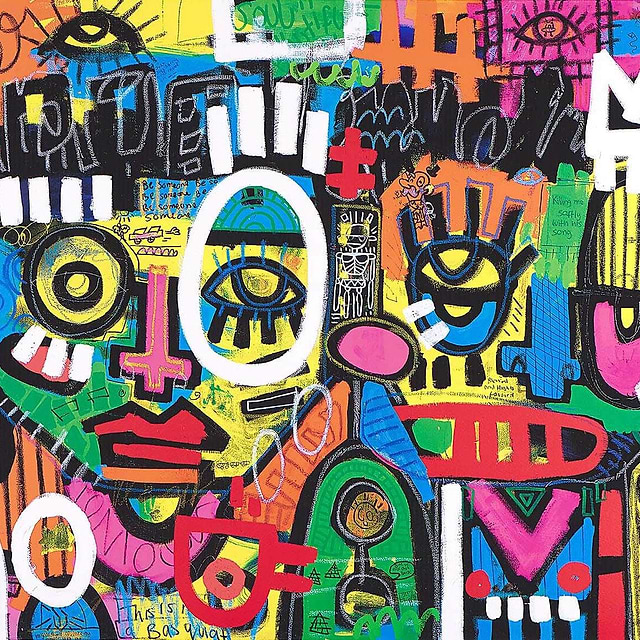
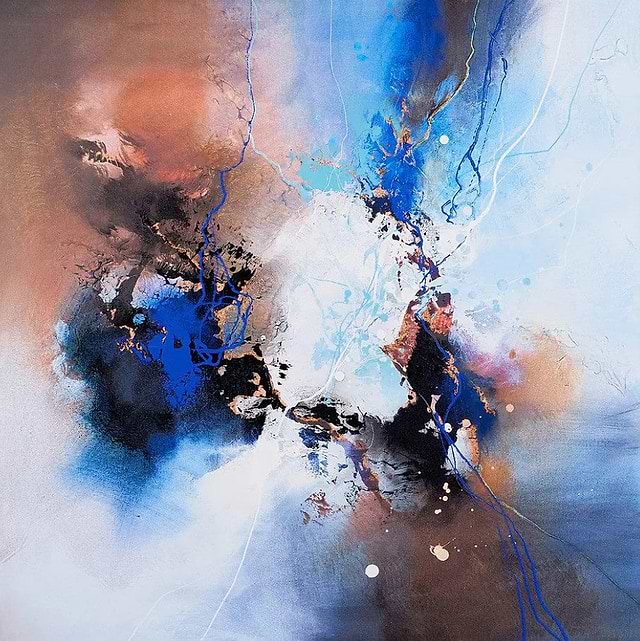
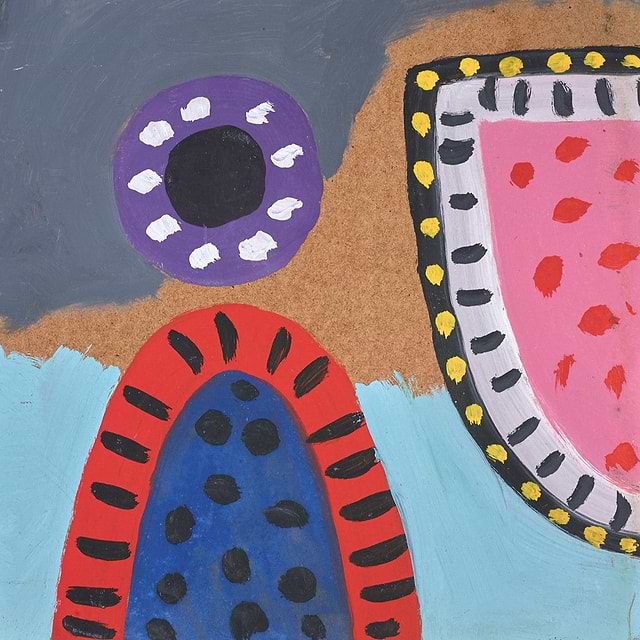
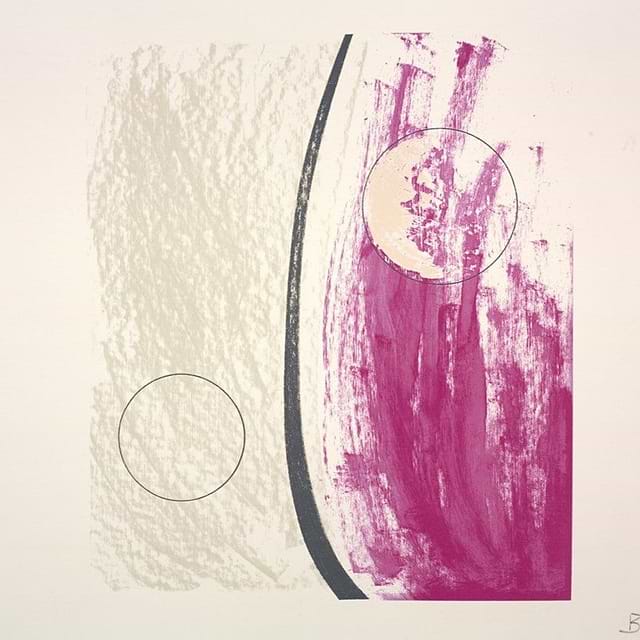
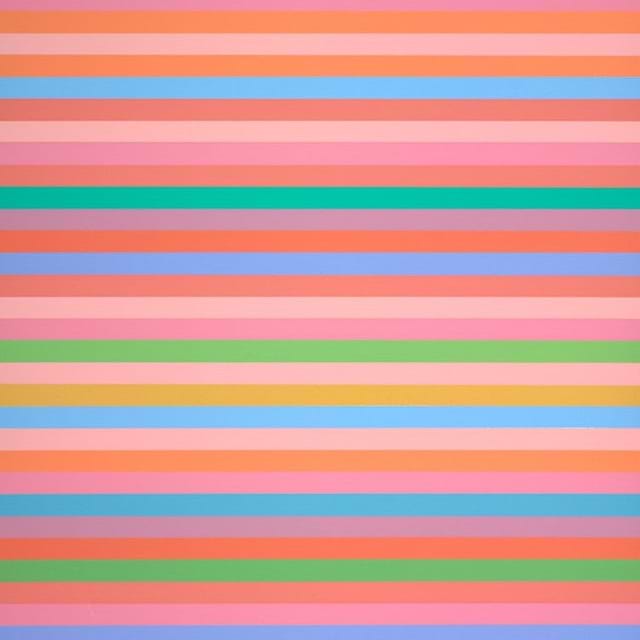
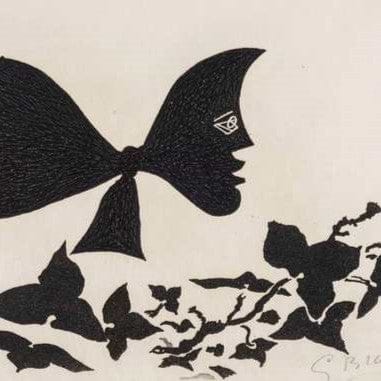
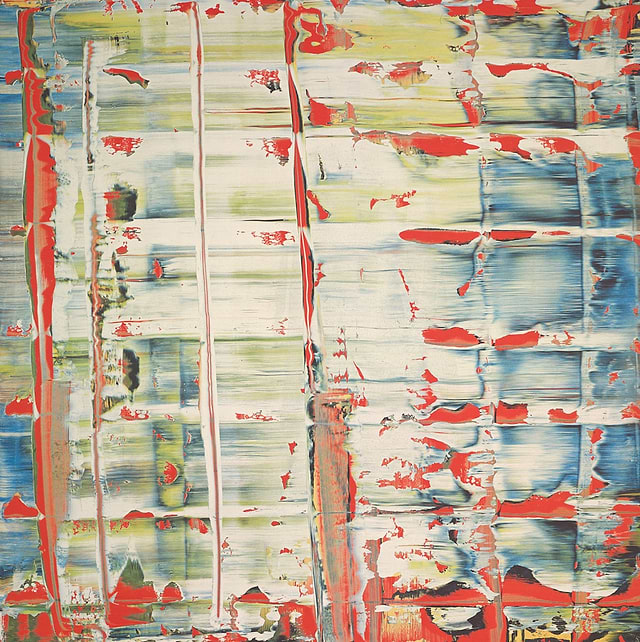
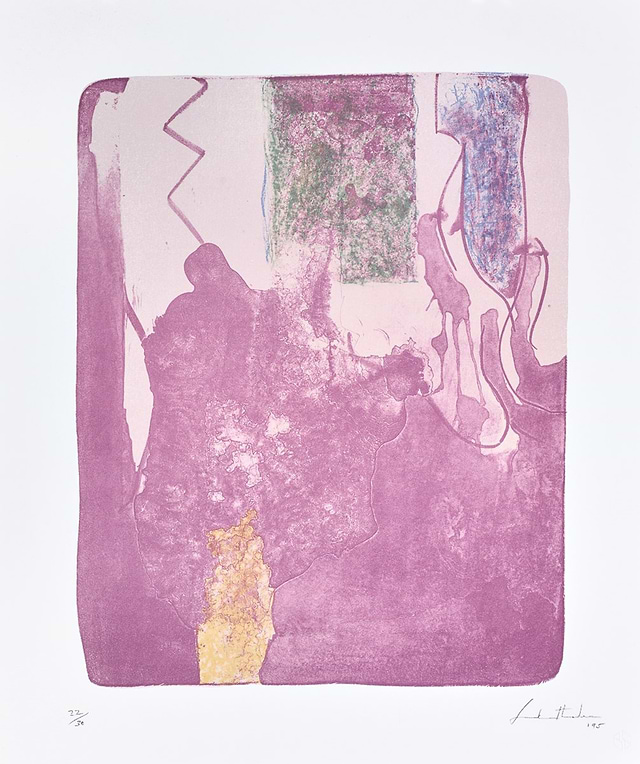
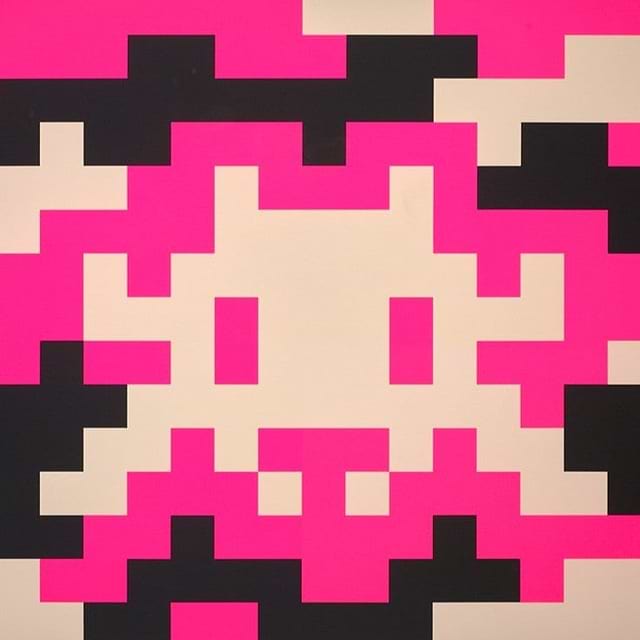
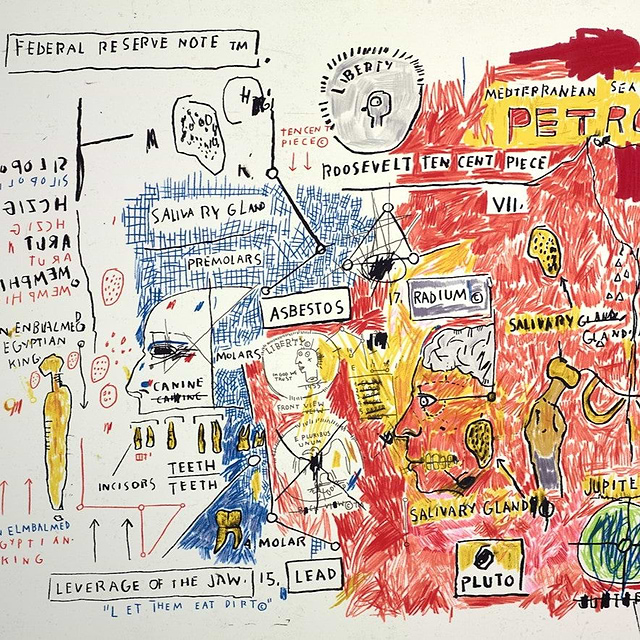
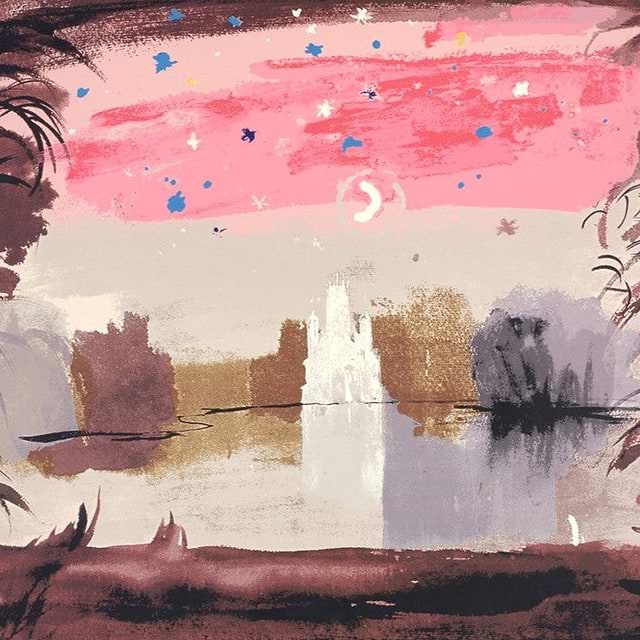
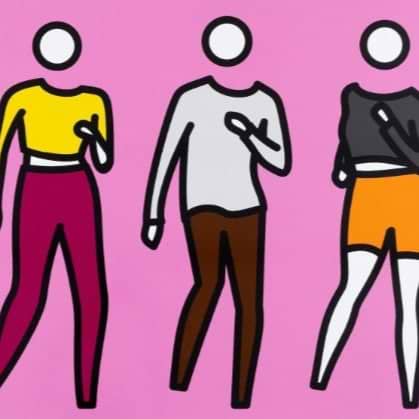
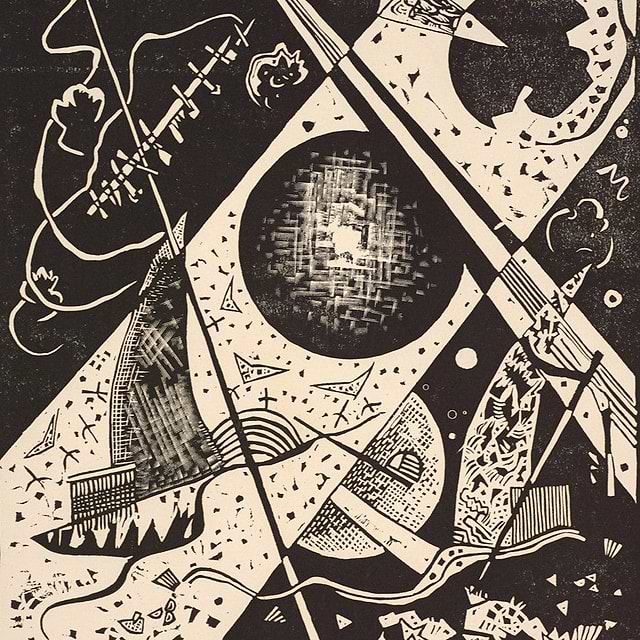
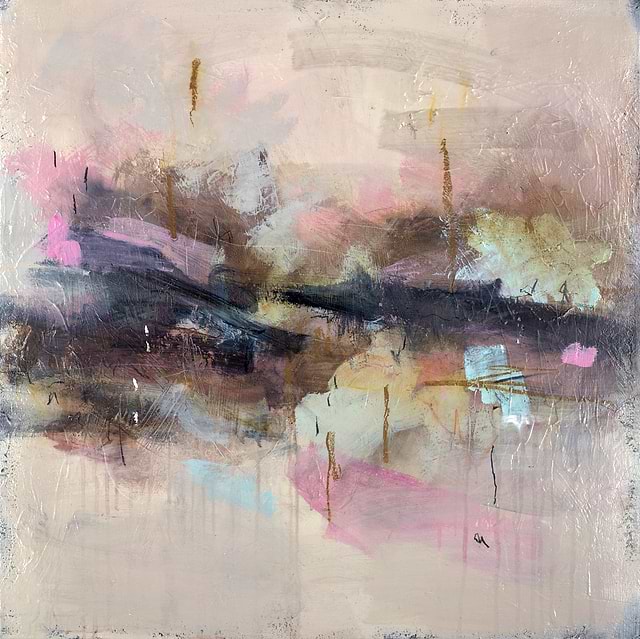
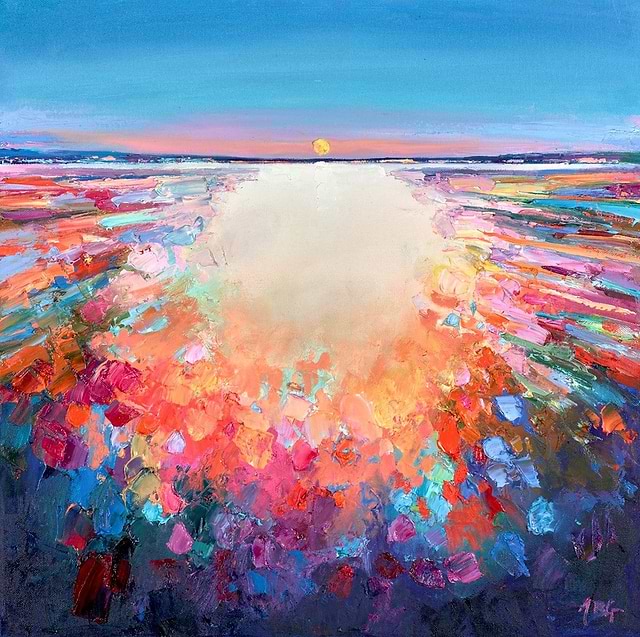
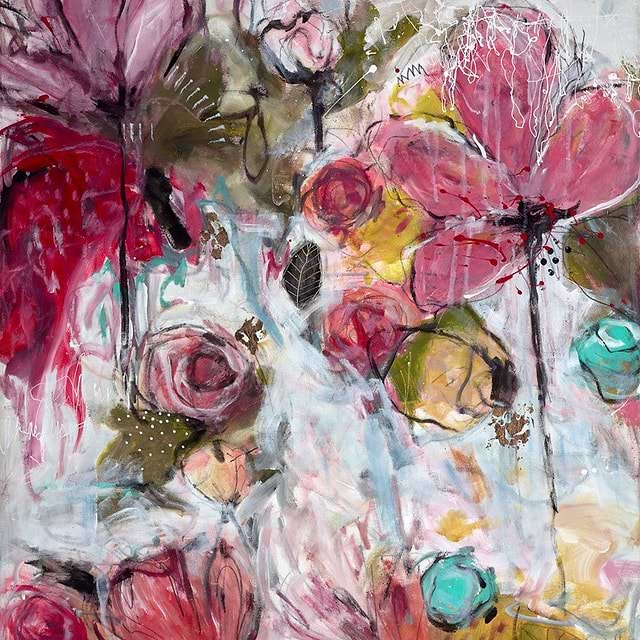
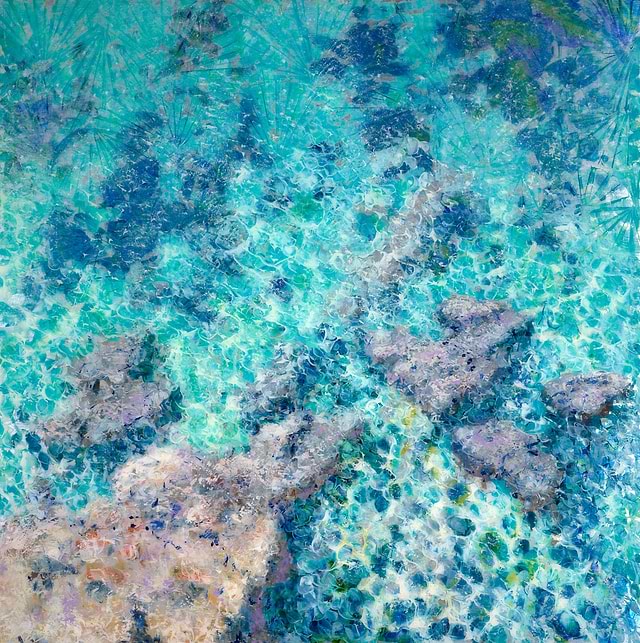
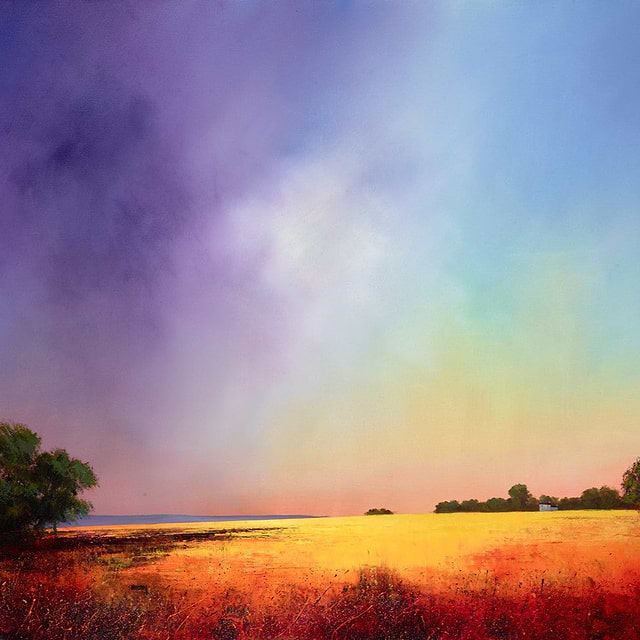
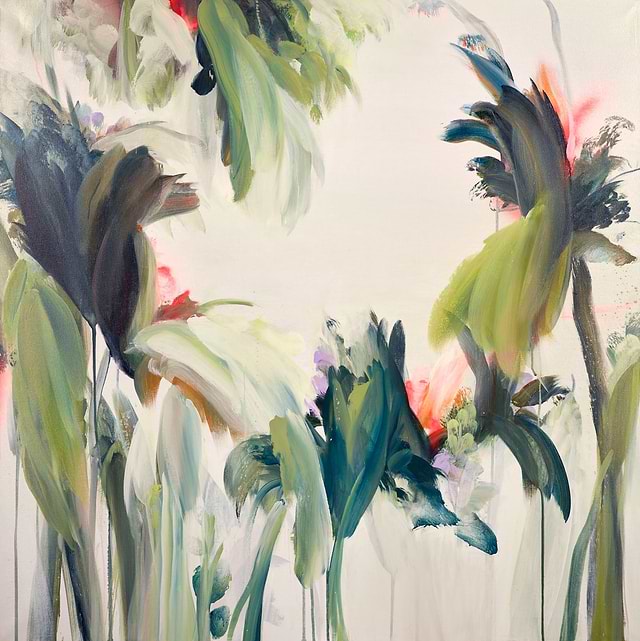
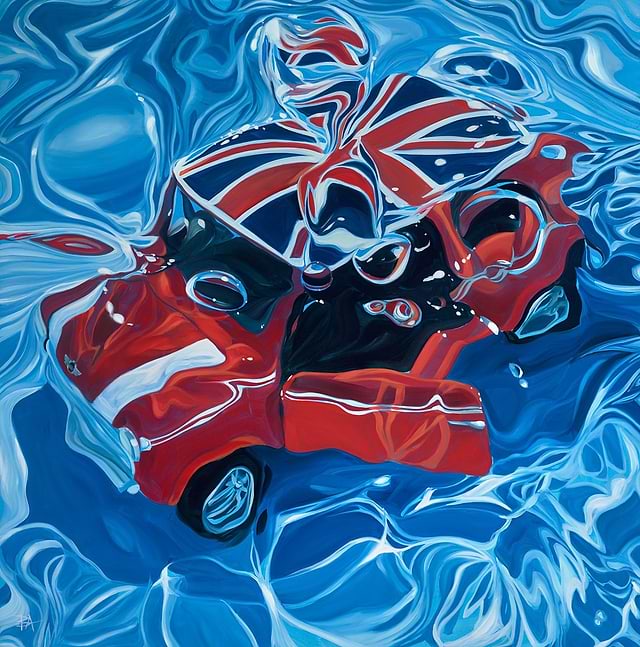
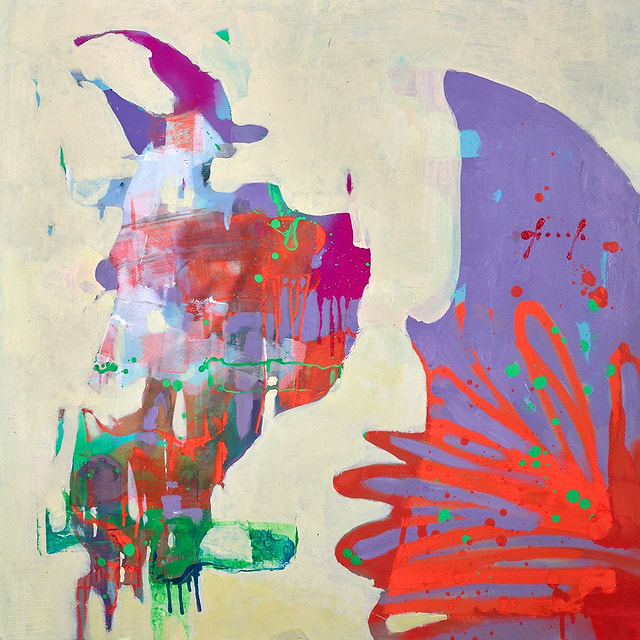
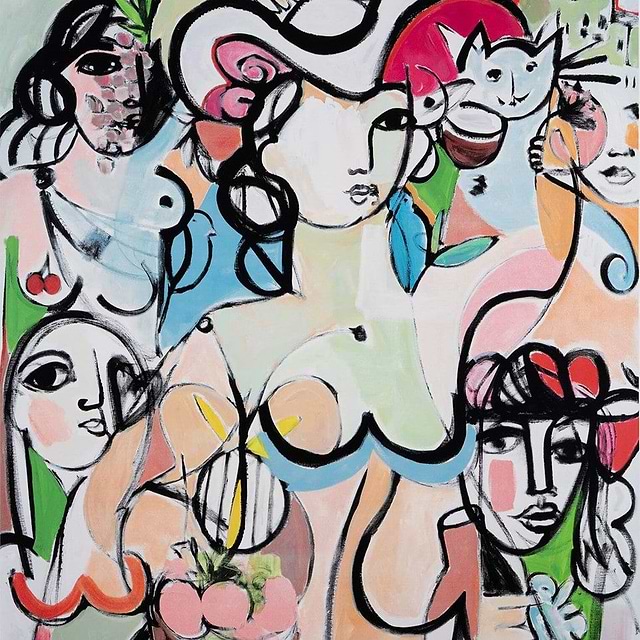
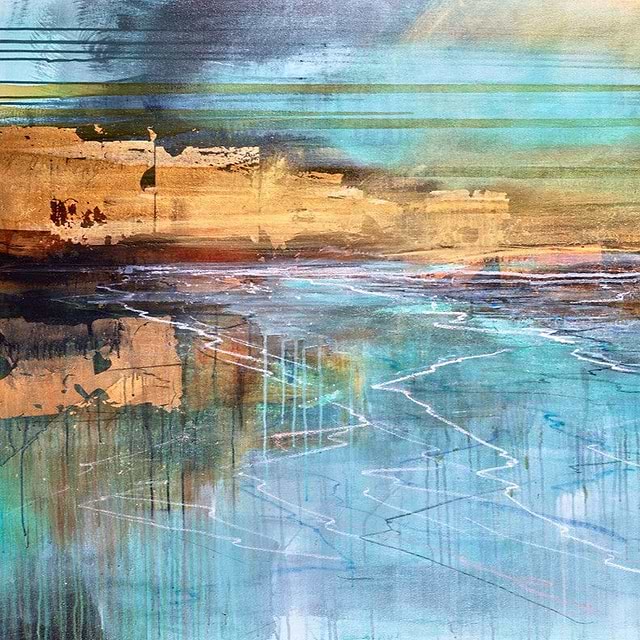
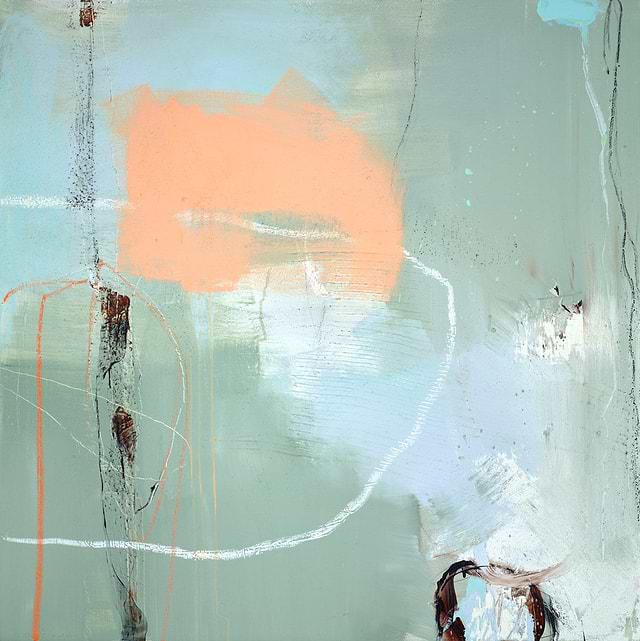
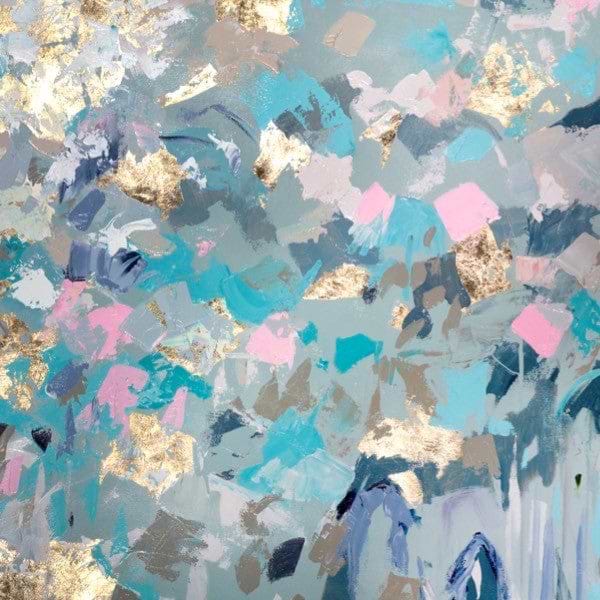
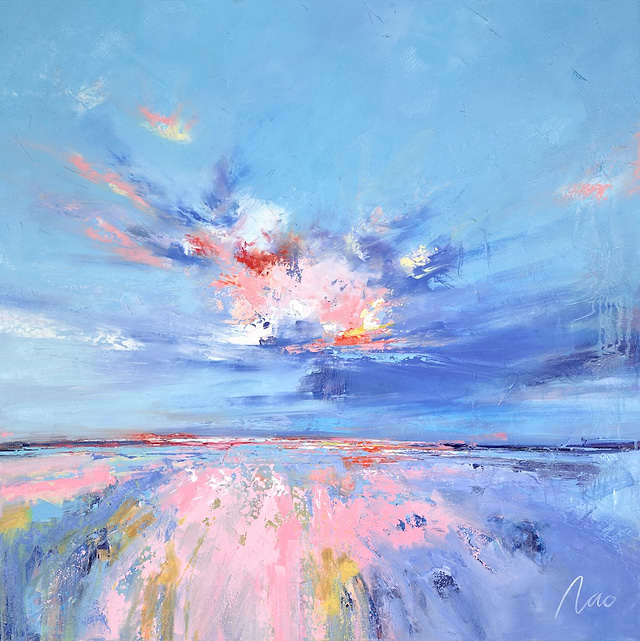
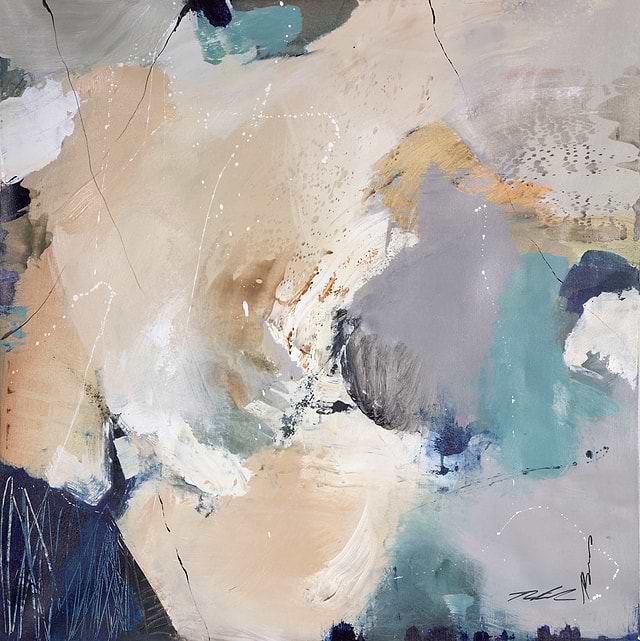
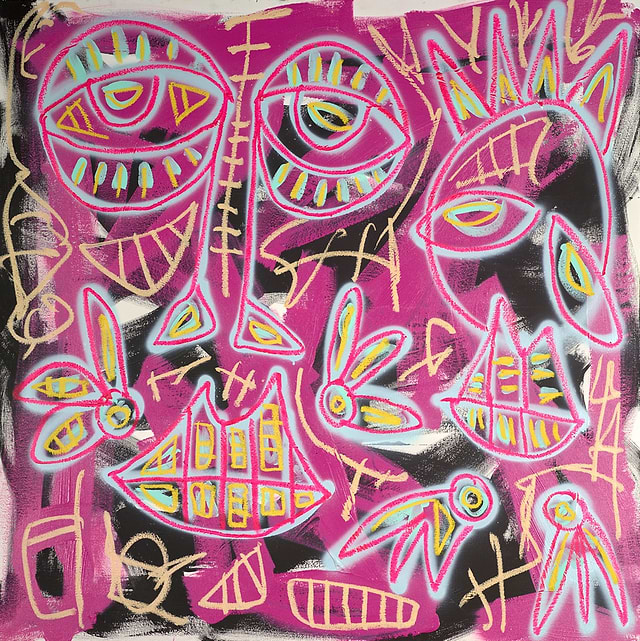
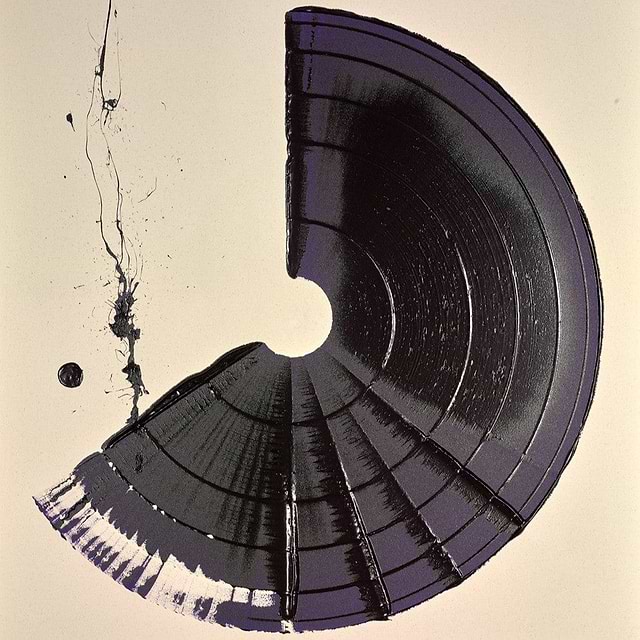
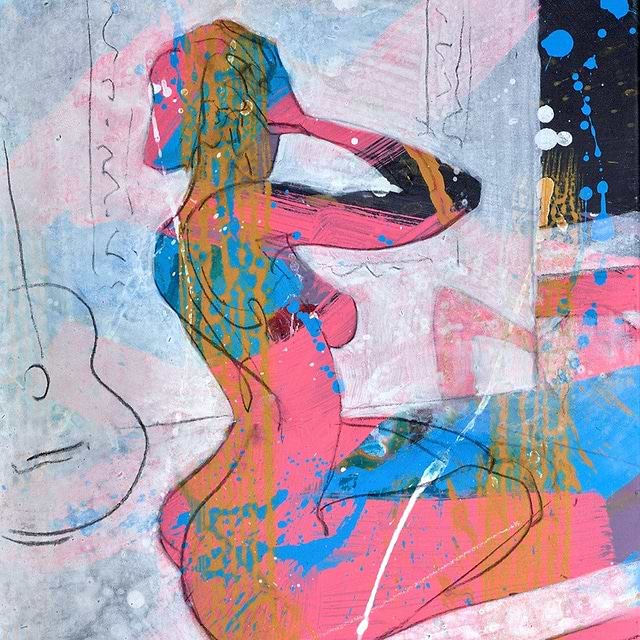
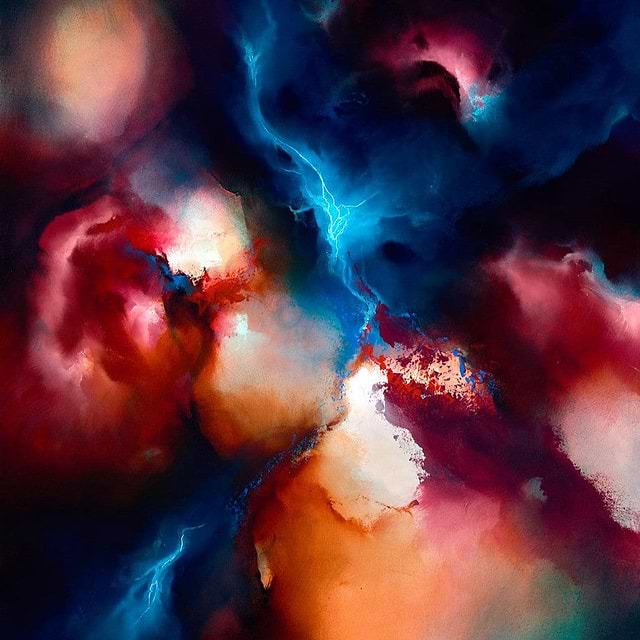
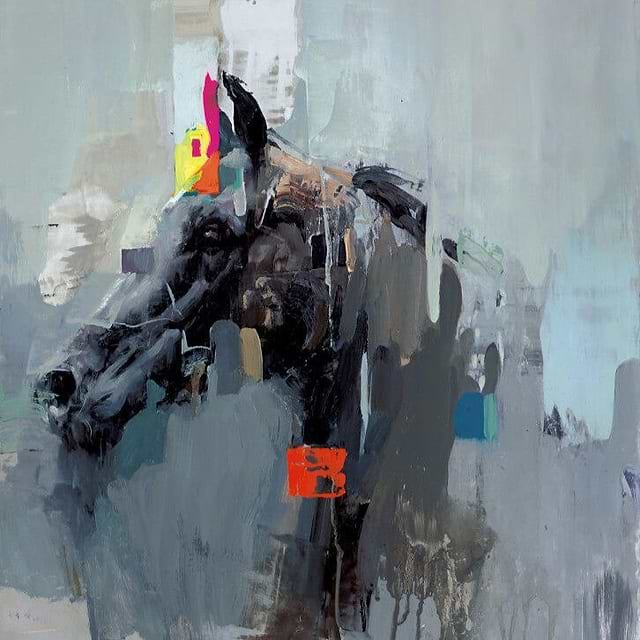
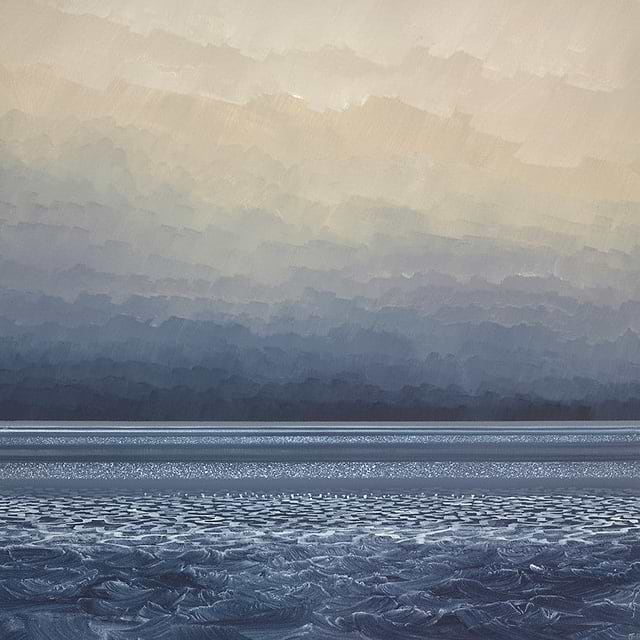
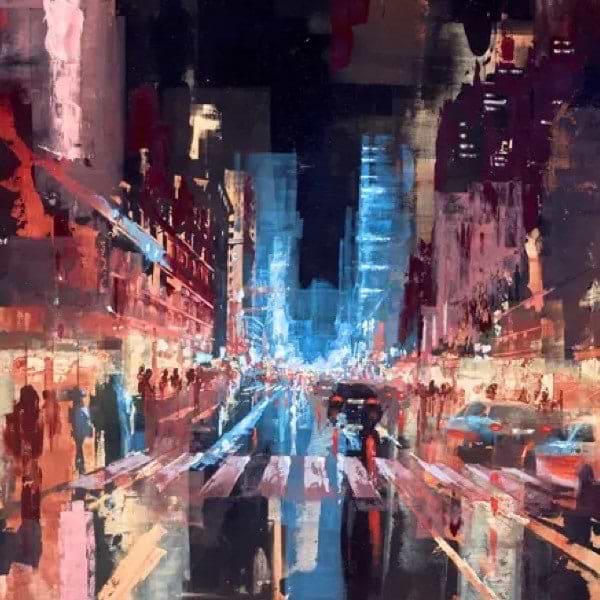
The abstract art movement, which emerged in the early 20th century, marked a radical departure from everything that had come before. Unlike traditional art, which aims to depict physical reality, abstract art explores emotions, ideas, and experiences. It may draw on people, places or objects that have been simplified or distilled, or it may be made up of geometric shapes, colour and expressive marks with no direct visual reference.
Encouraging us to engage on a more personal level, abstract art, whether a richly layered painting or an organic stone sculpture, invites interpretation rather than dictating meaning. It can draw a wide range of reactions and frequently opens up conversation and controversy about what art can be.


What is Abstract Art in History?
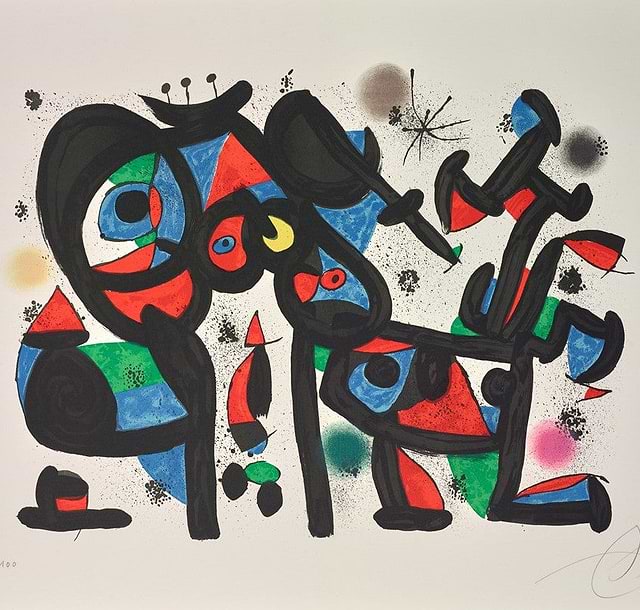
The story of abstract art was written by pioneering artists who reimagined the accepted visual language. Joan Miró introduced playful, biomorphic forms that sit somewhere between dreams and reality, while Mark Rothko created expansive colour field abstract paintings that invite a more emotional response. Alongside figures such as Wassily Kandinsky and Piet Mondrian, these artists pushed beyond representation and reshaped the course of modern art forever.


What is Abstract Sculpture?
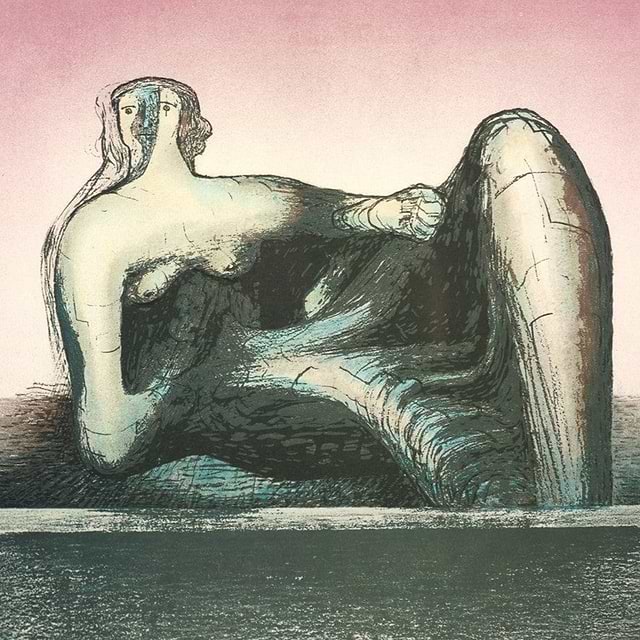
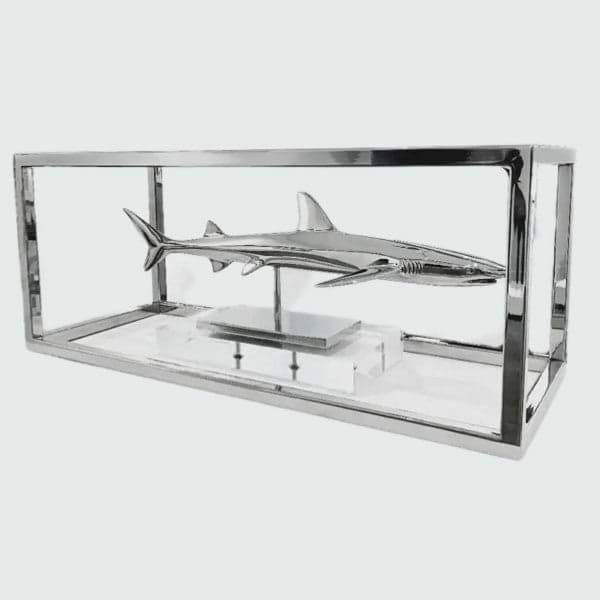
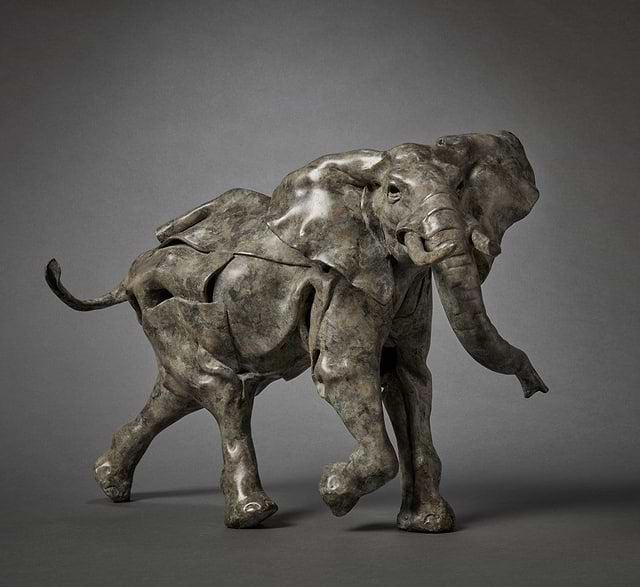
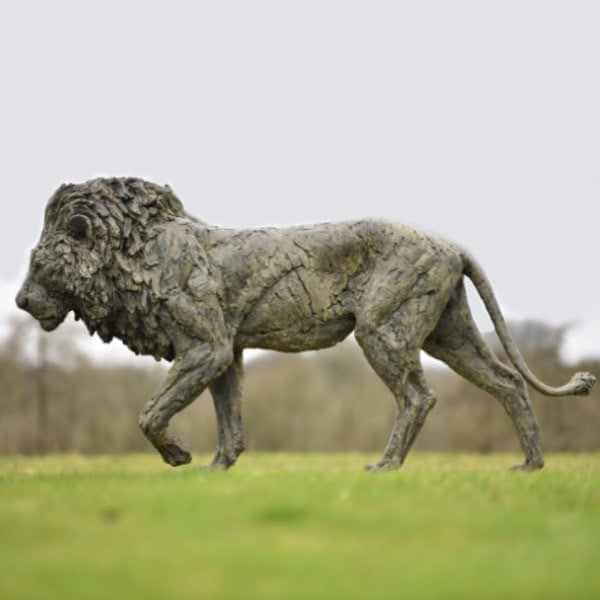
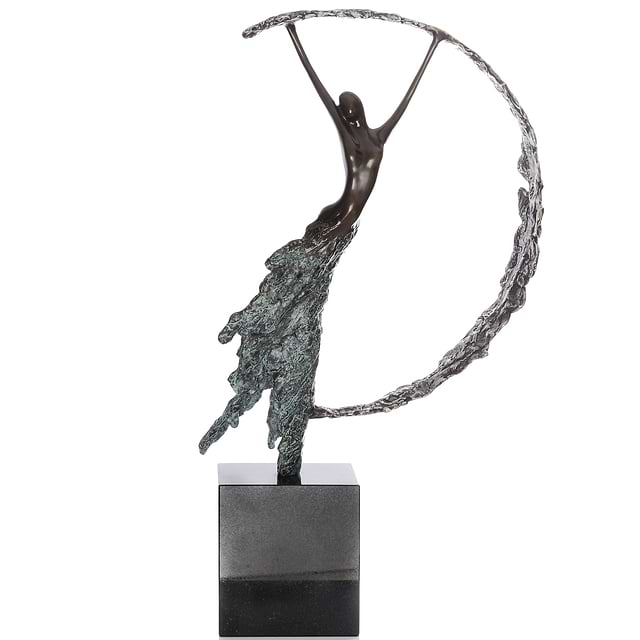
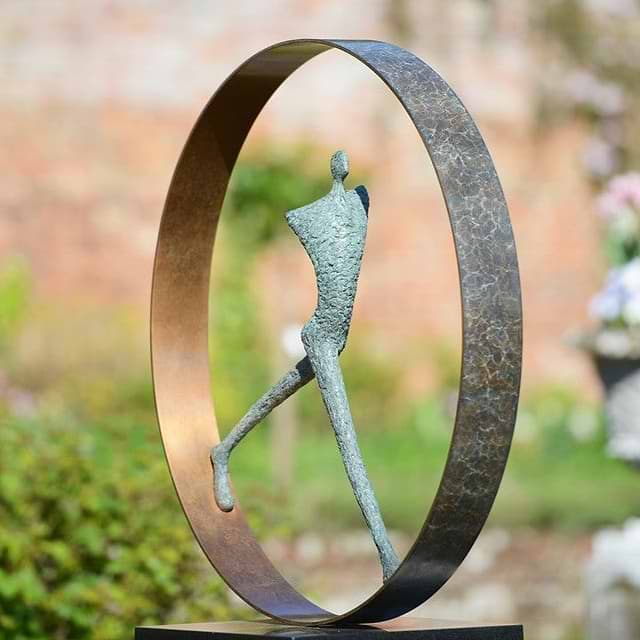
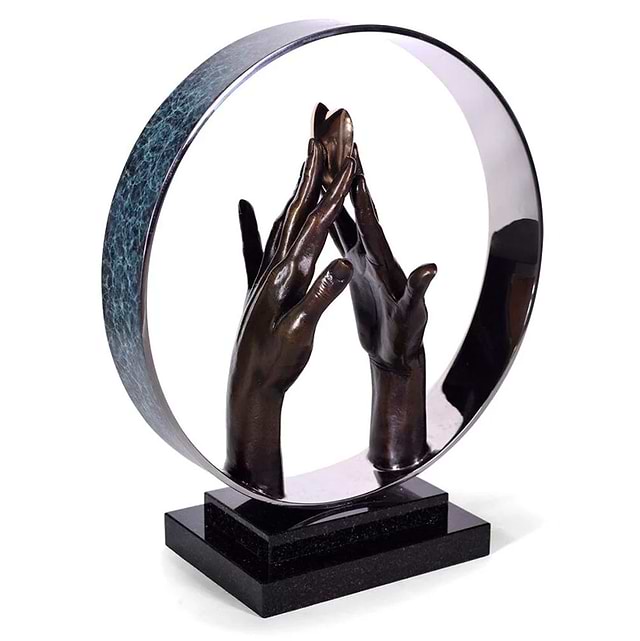
While abstract painting often takes centre stage, abstract sculpture offers a different, equally powerful way to experience the genre. Using materials such as metal, resin or stone, sculptors create three-dimensional forms that interact with space, light and movement. 20th century masters such as Henry Moore or Barbara Hepworth made abstract sculptures which felt architectural, organic or even fluid, and invited viewers to engage with them from every angle. Contemporary sculptors such as Michael Speller or Jennine Parker have a fresh perspective, combining figurative and abstract elements to create pieces that are as tactile as they are visually striking.


Contemporary Abstract Art
Today, abstract art is more dynamic and accessible than ever. Once considered radical, it now sits comfortably at the heart of modern interiors, not as something distant or conceptual, but as something to live with and respond to every day.
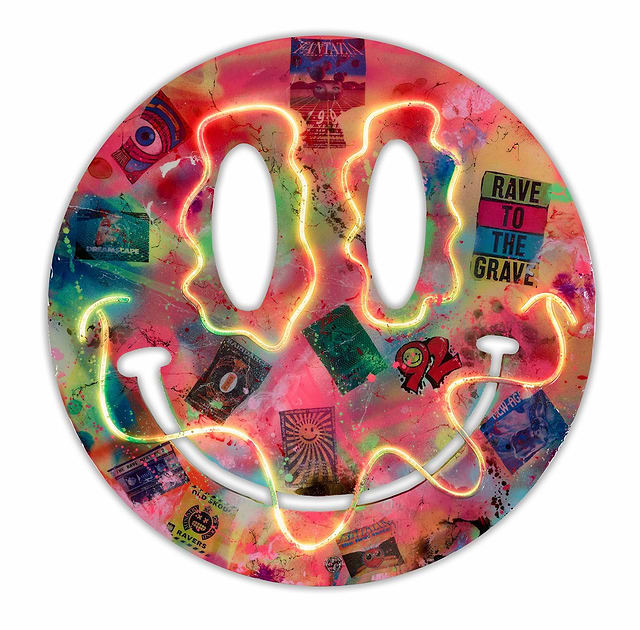
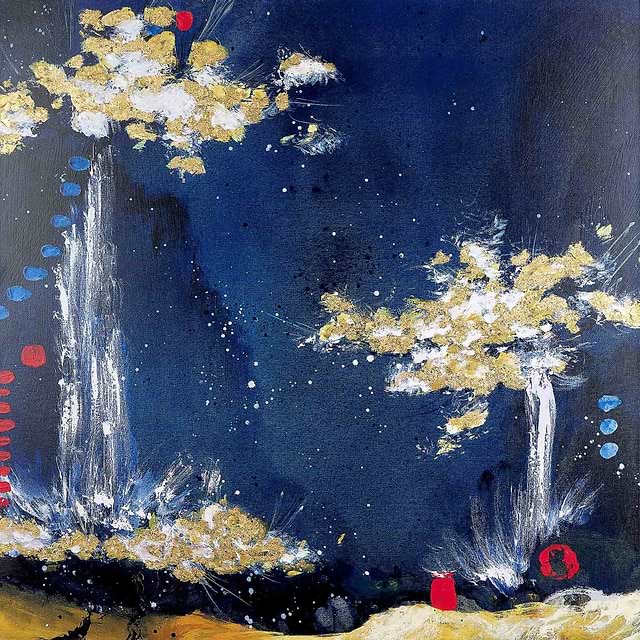
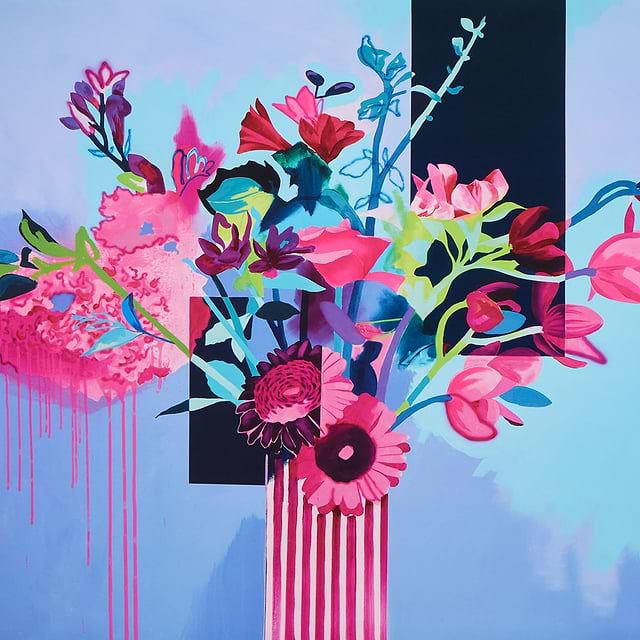
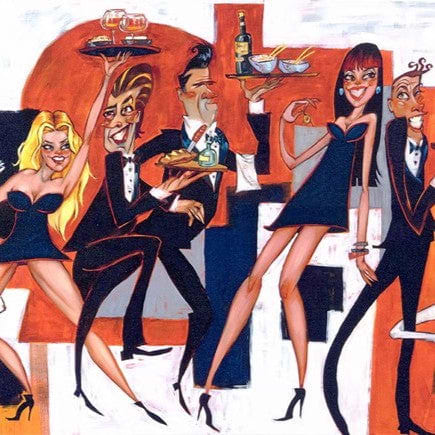
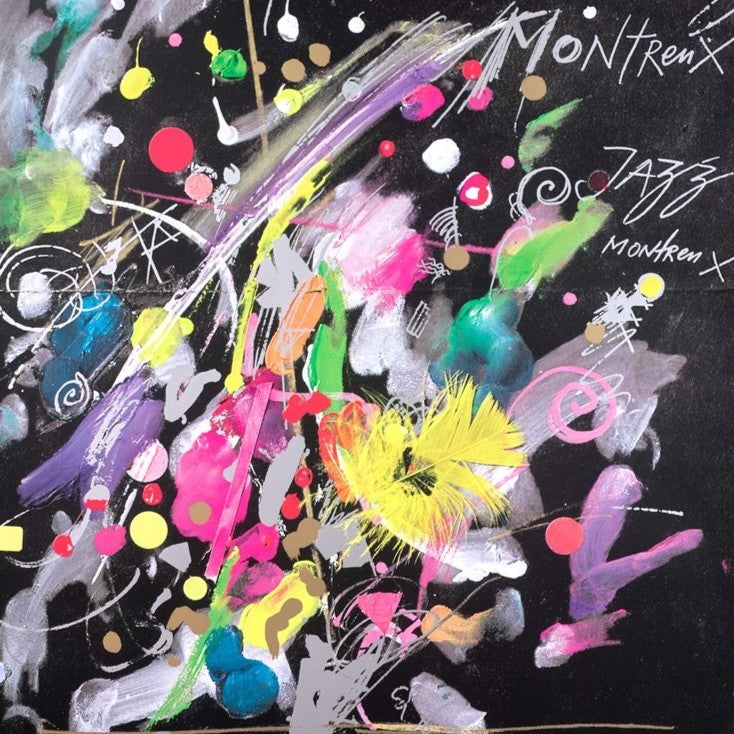
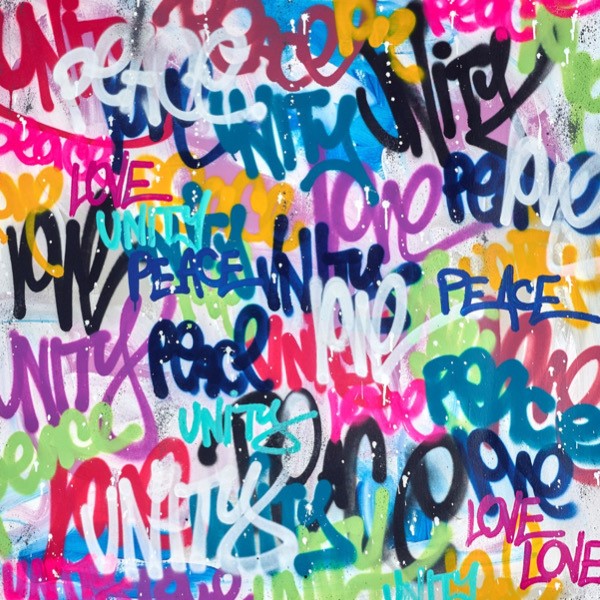
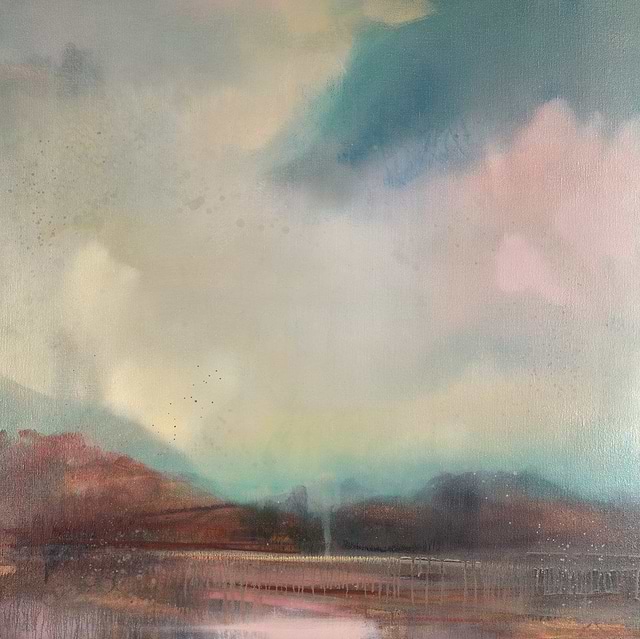
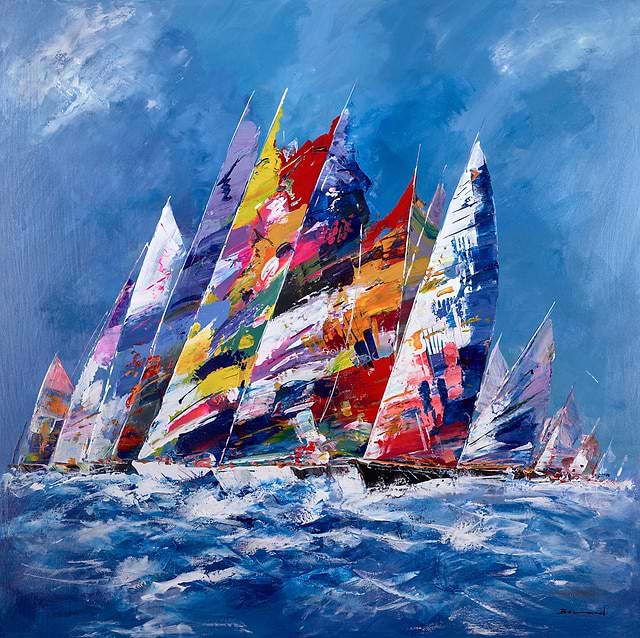
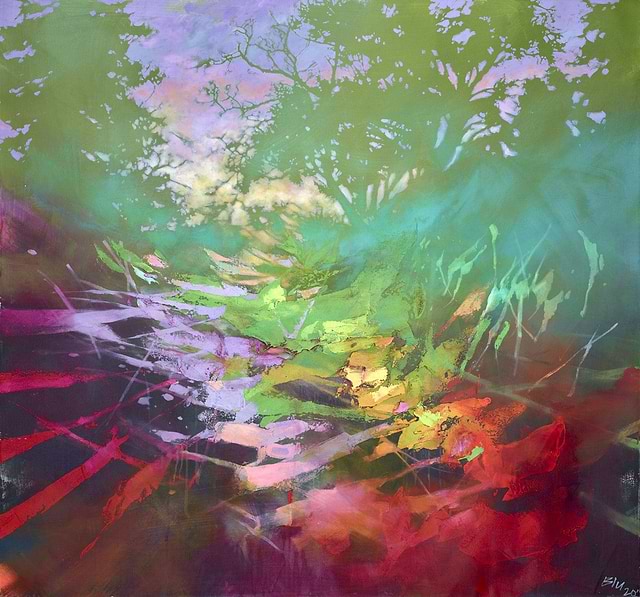
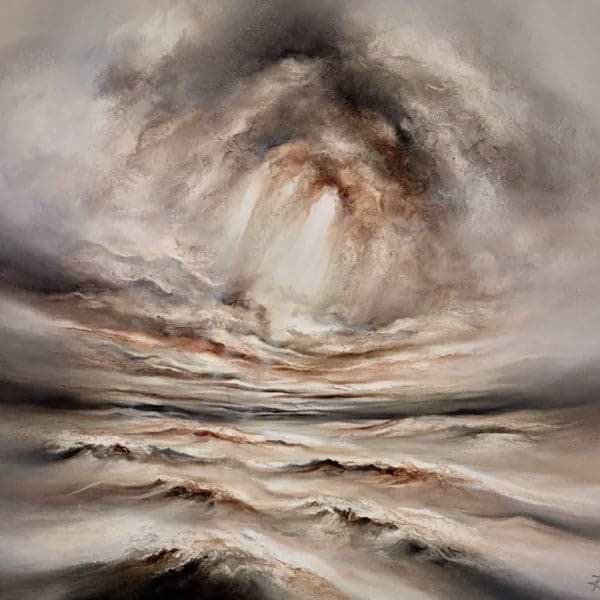
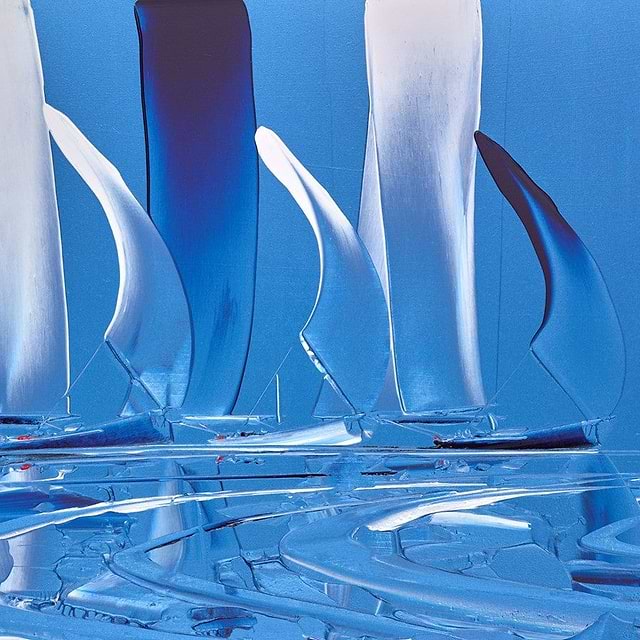
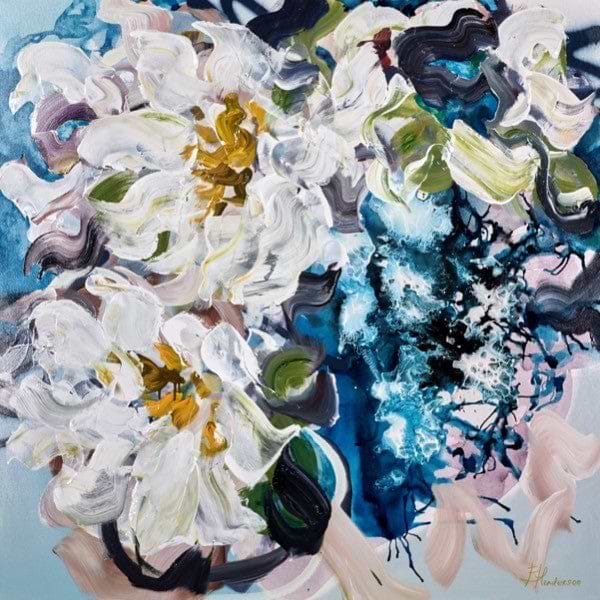
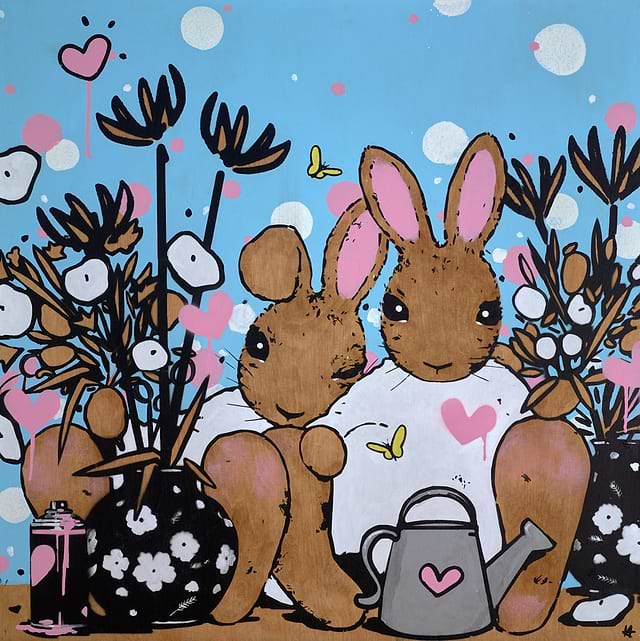
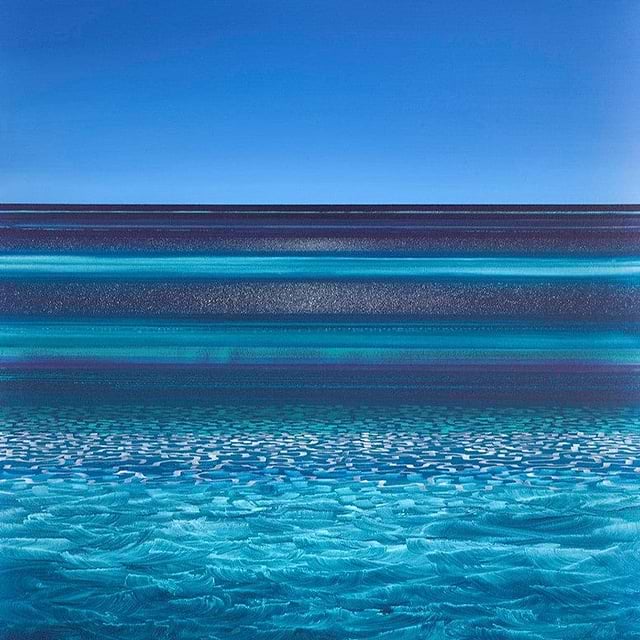
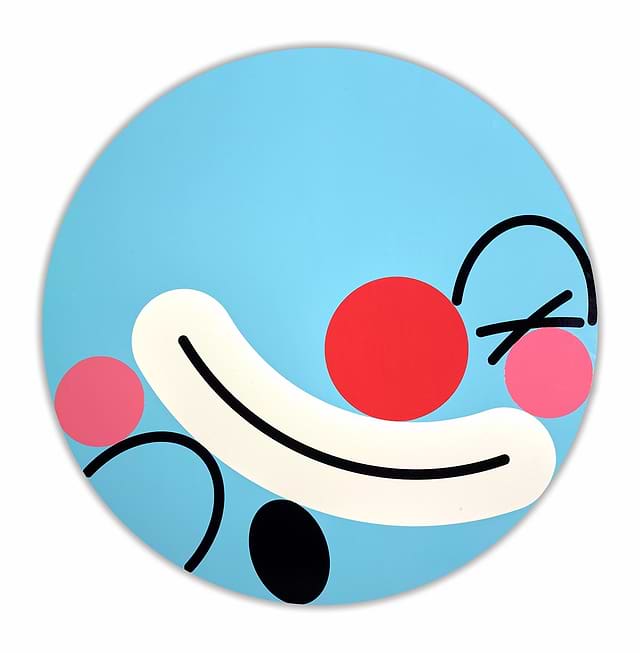
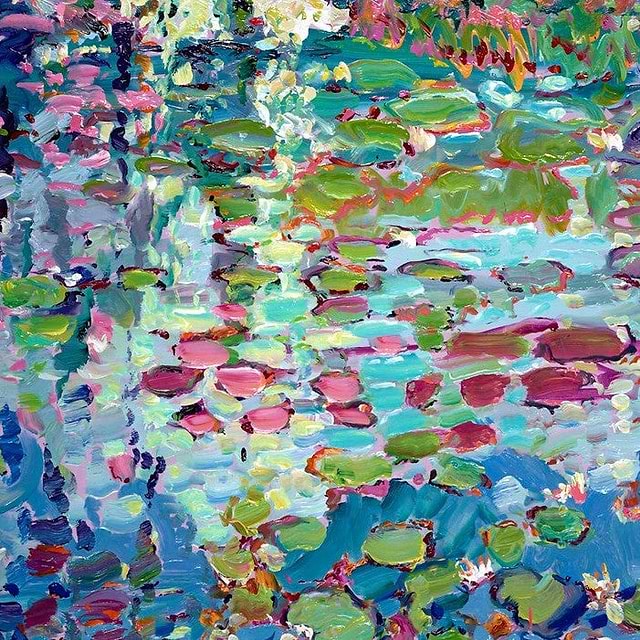
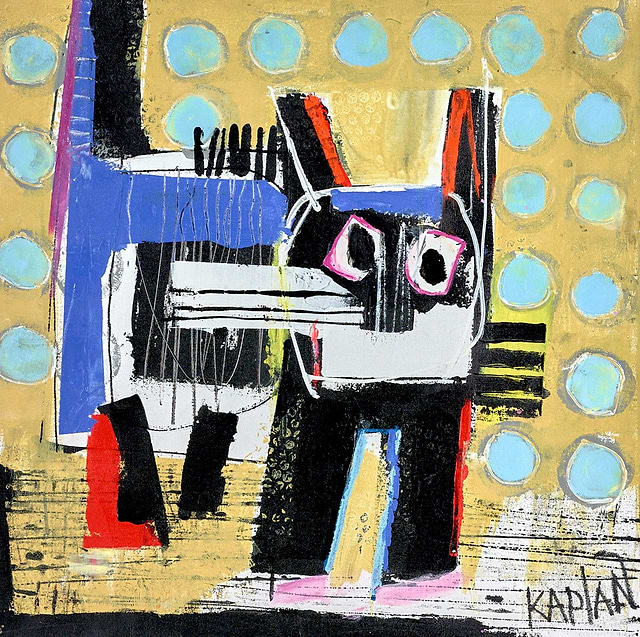
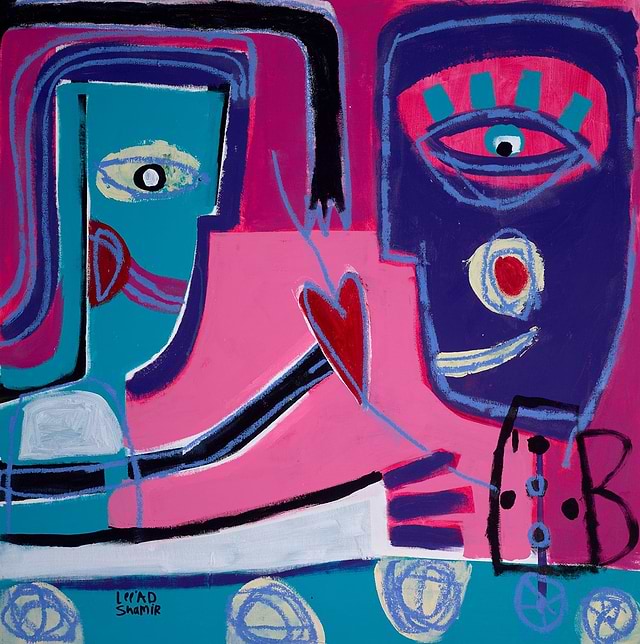
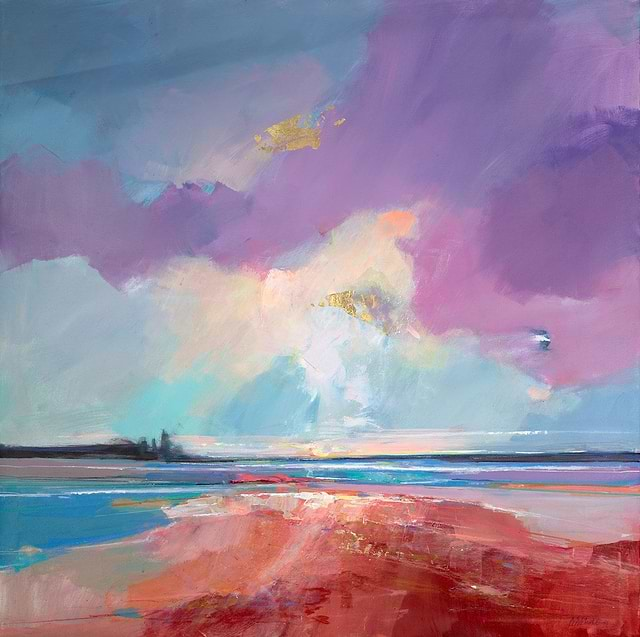
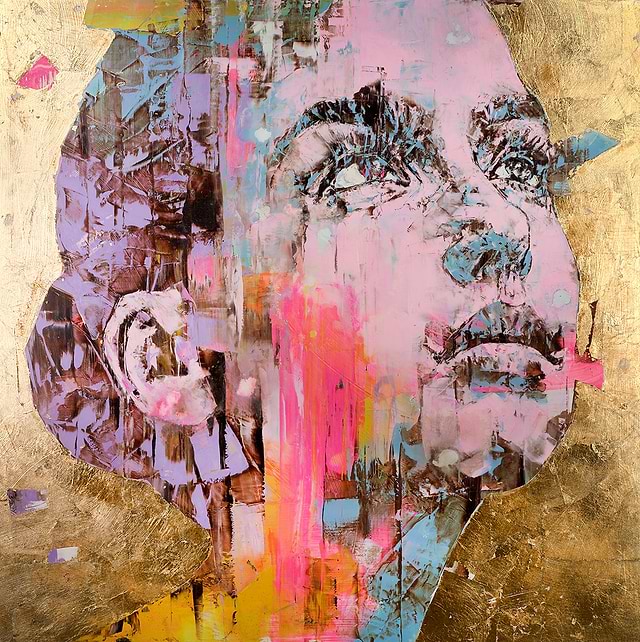
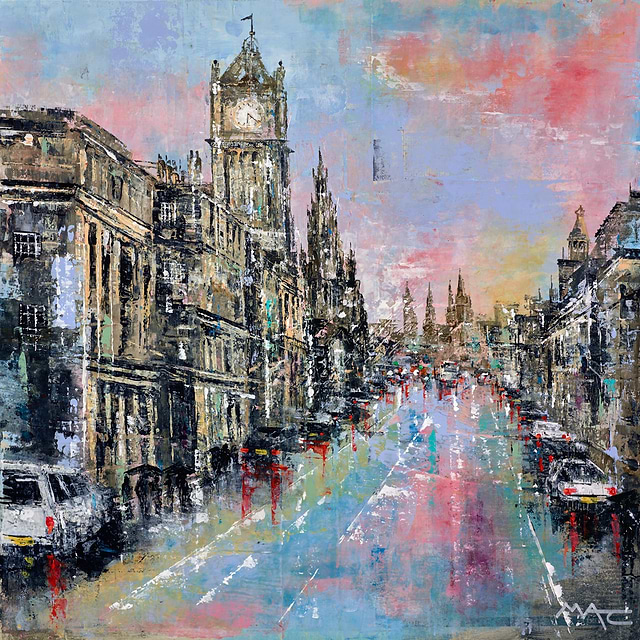
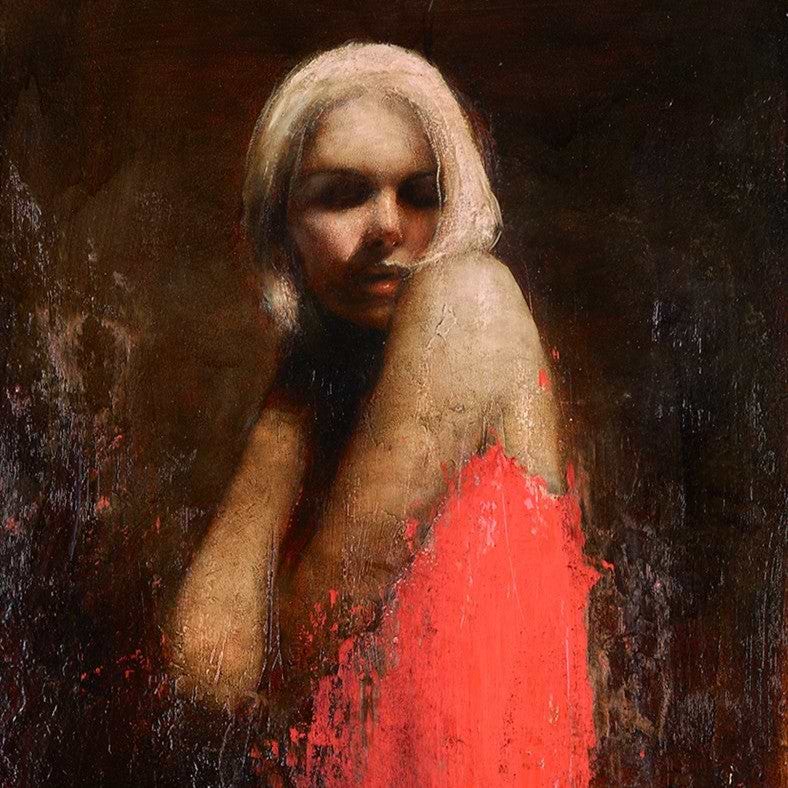
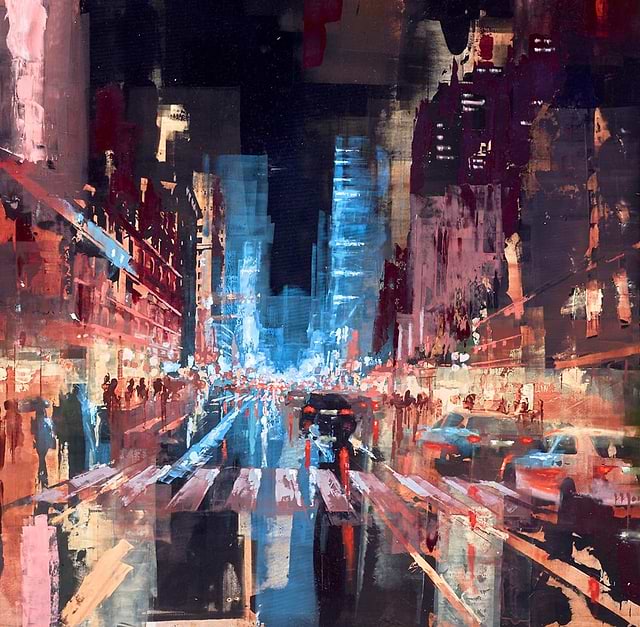
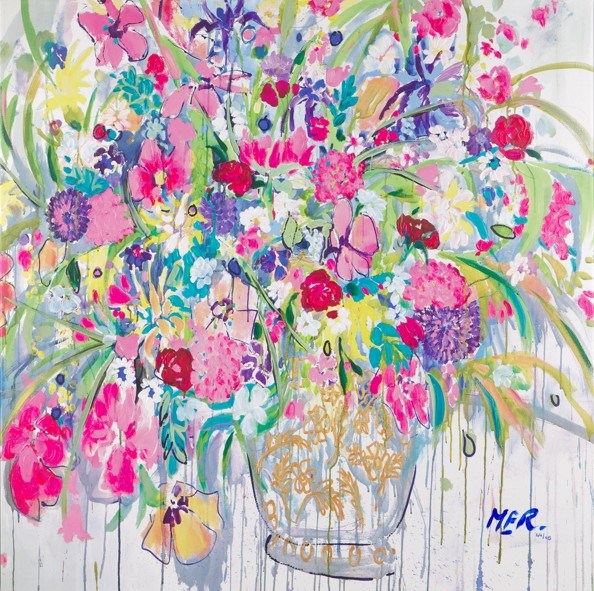
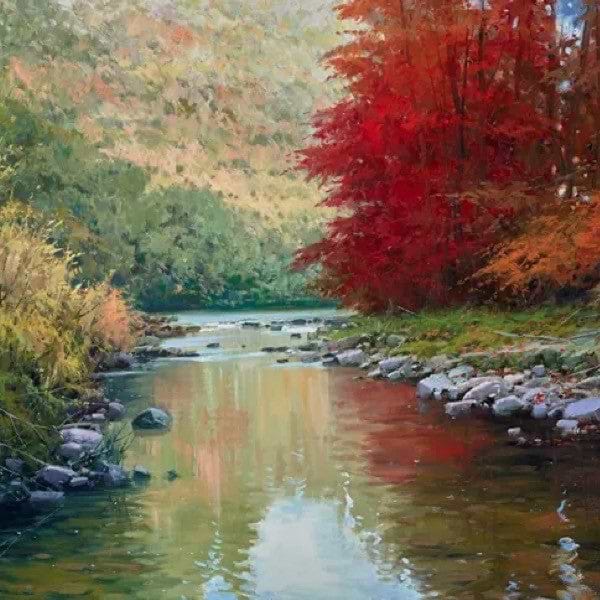
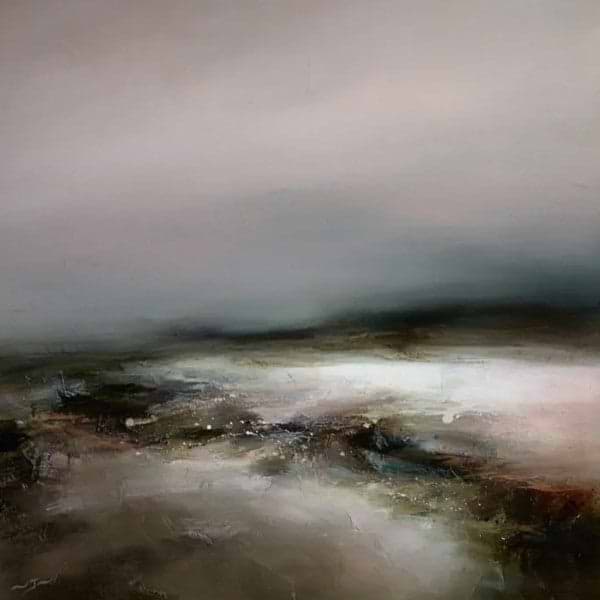
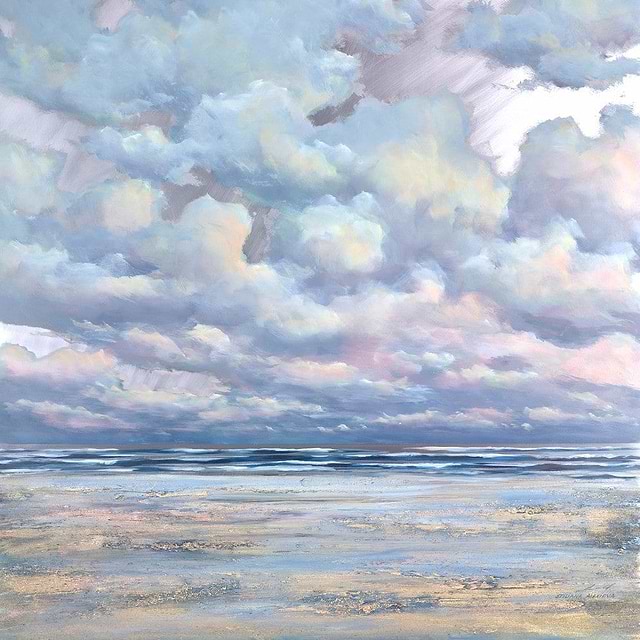
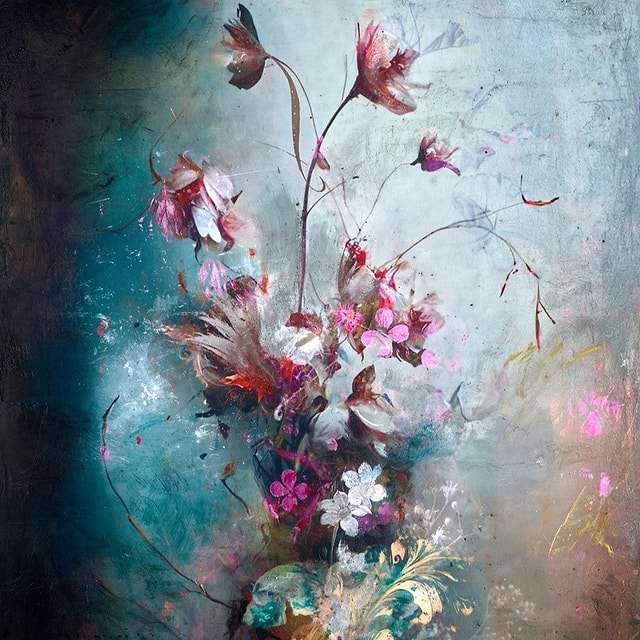
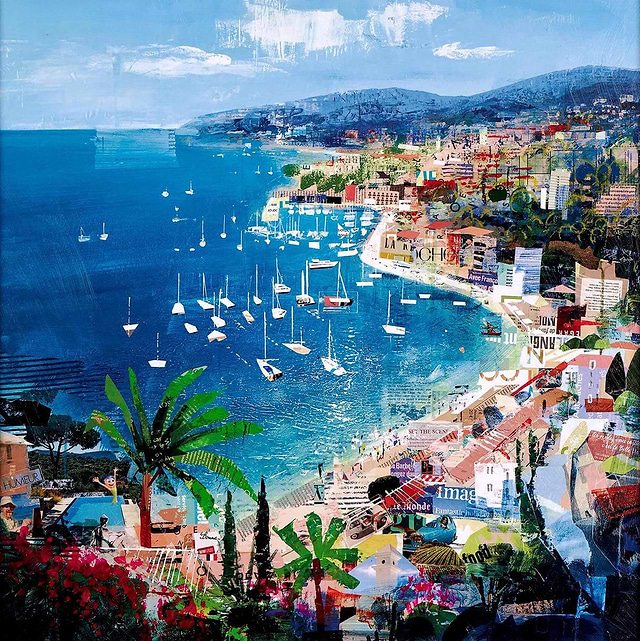
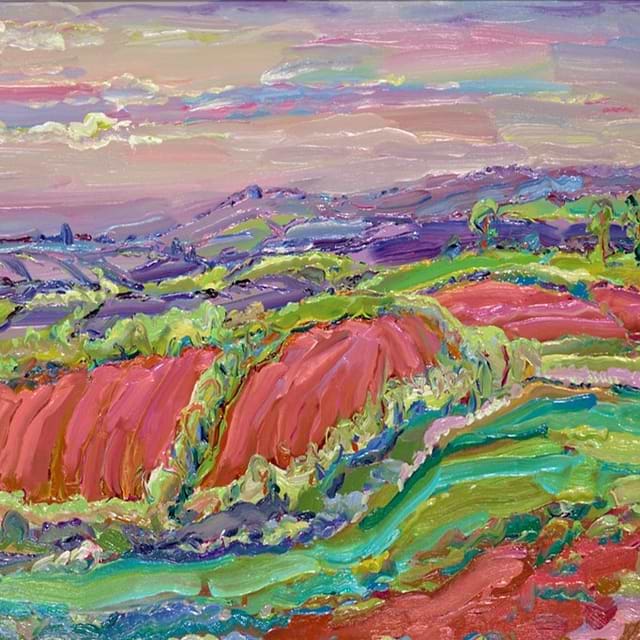
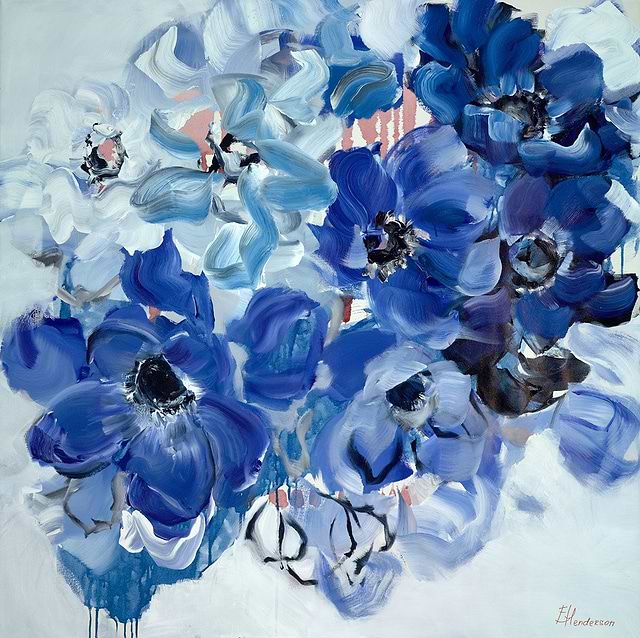
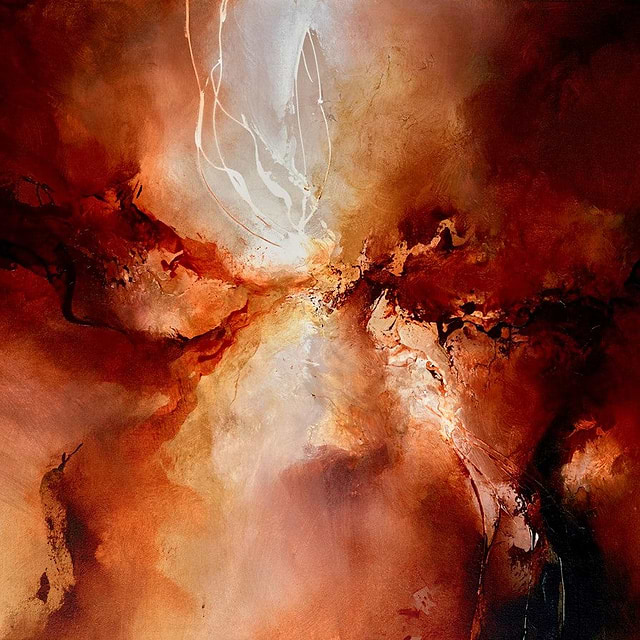
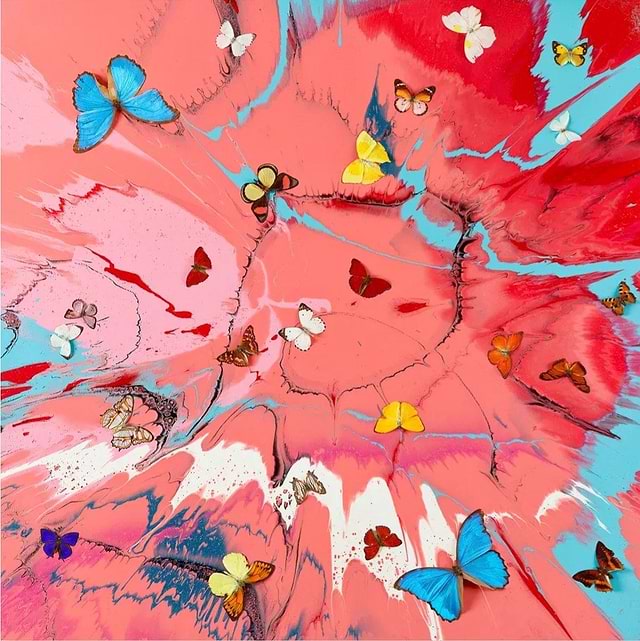
A contemporary abstract painting can become an instant focal point in the home, brings colour and energy into a space in a host of different ways. Artists such as Charmaine Chanakira and Lou Sheldon create works that feel alive with movement, while others take a more atmospheric approach. Simon Kenny, for example, builds layers of light and depth that can make a room feel more expansive, while the pared-back compositions of Tabitha Millet introduce a sense of calm and clarity. Elsewhere, vibrant abstract paintings by artists like Lee Kaplan or Kasey Child bring a sense of rhythm and spontaneity, while the more subtle, contemplative works of Beatriz Elorza offer a moment of stillness within a space. What unites them all is the ability to transform how a room feels.


As well as connecting us with the richness of our artistic heritage, displaying abstract art is a sophisticated way to create a visually stimulating and expressive environment, and reflects an openness to seeing and appreciating the world from a different perspective. In that sense, choosing an abstract painting or sculpture isn’t about following rules or finding the ‘right’ piece, it’s about making a personal connection with something that will resonate with you every day.