


















8th May 2026 I 3 Minute read
100 Years of Sir David Attenborough


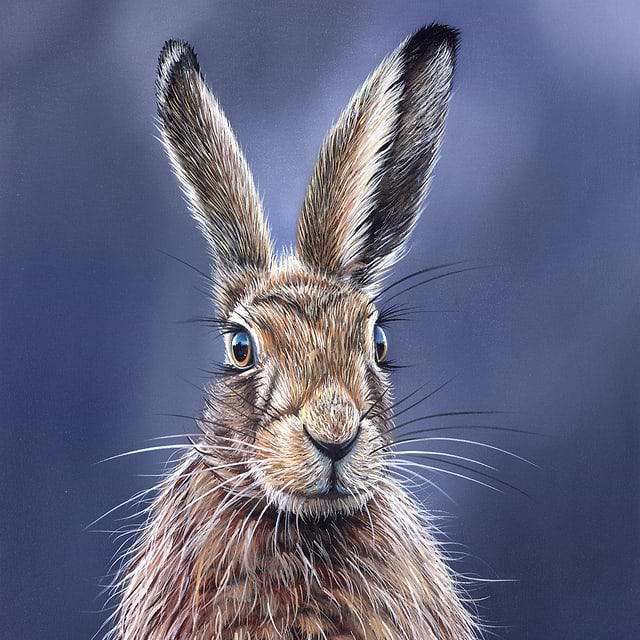
As the world celebrates the 100th birthday of Sir David Attenborough, we reflect on a legacy that has fundamentally shaped how we see — and value — the natural world. For decades, he has invited us into environments both remote and fragile, revealing not only their beauty, but their importance. As he has said, “the natural world is the greatest source of excitement,” a belief that underpins his life’s work. His storytelling has never been about spectacle alone, but about connection — a philosophy that continues to inspire generations of artists working with wildlife today.
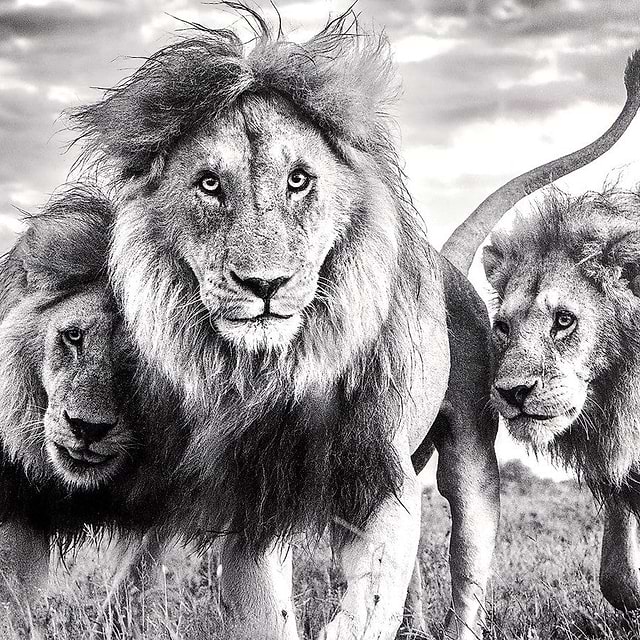
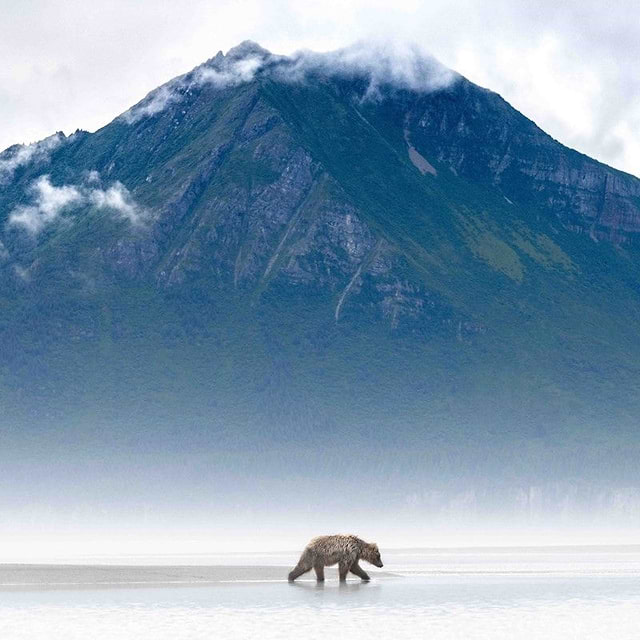
That influence is deeply felt in the work of contemporary wildlife photographer Harry Skeggs, who cites Sir David as a defining force in shaping both his career and his outlook. Skeggs often speaks about the power individuals have to influence the future of the planet, and his work is rooted in a belief in hope over defeatism — a desire, as he describes it, “to show a world that should be… a world that is truly wild and free.”
Encouraged early on by Attenborough himself — who praised Skeggs for having “built an impressive portfolio” — the photographer found the confidence to pursue his practice professionally. That moment of recognition helped cement a shared philosophy between them: that the most powerful way to inspire conservation is not through despair, but through awe, beauty and emotional connection.

Harry Skeggs
Dare to Hope
Limited Edition
40 X 27”
This idea of finding meaning through observation — of capturing not just what we see, but how we feel about it — resonates throughout this curated collection, where each artist interprets wildlife through a distinct and compelling lens.
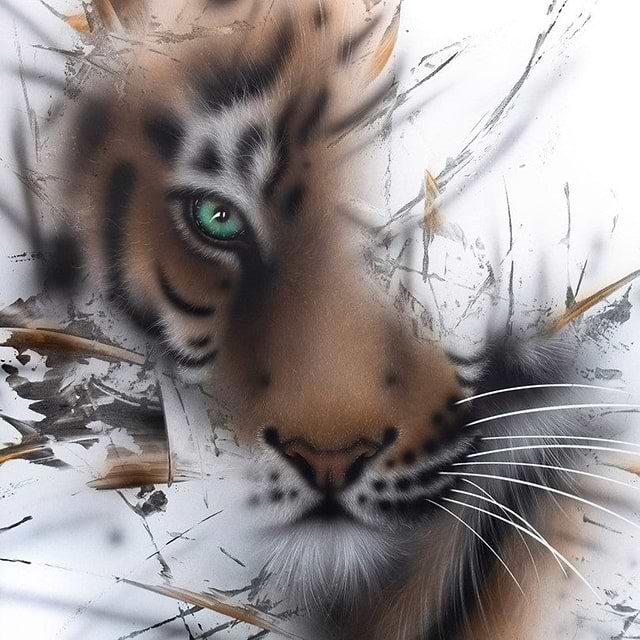
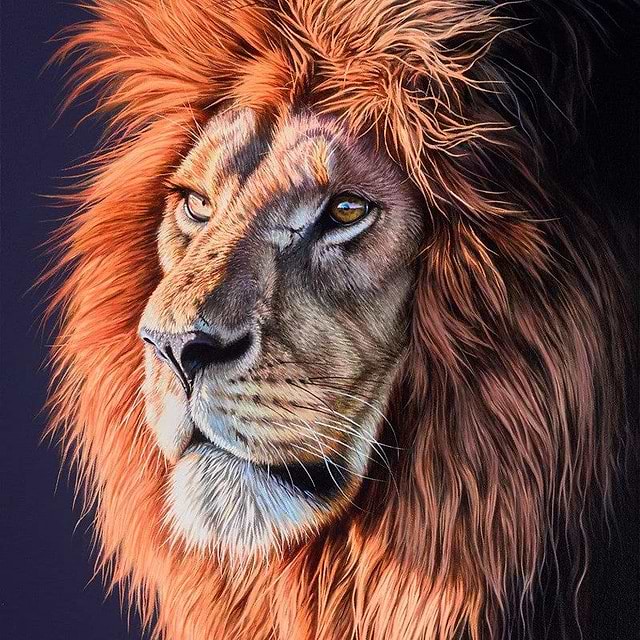
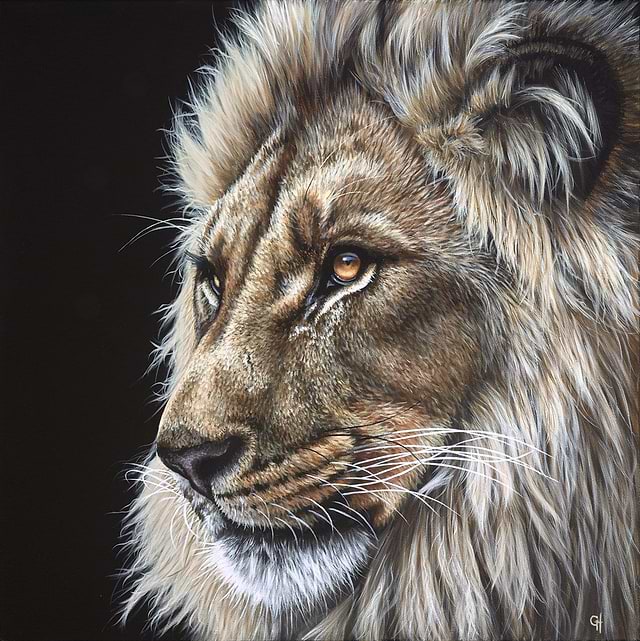
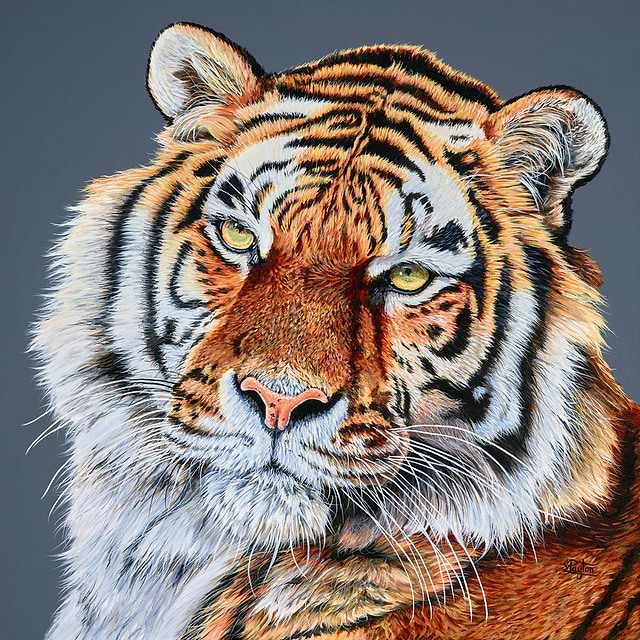
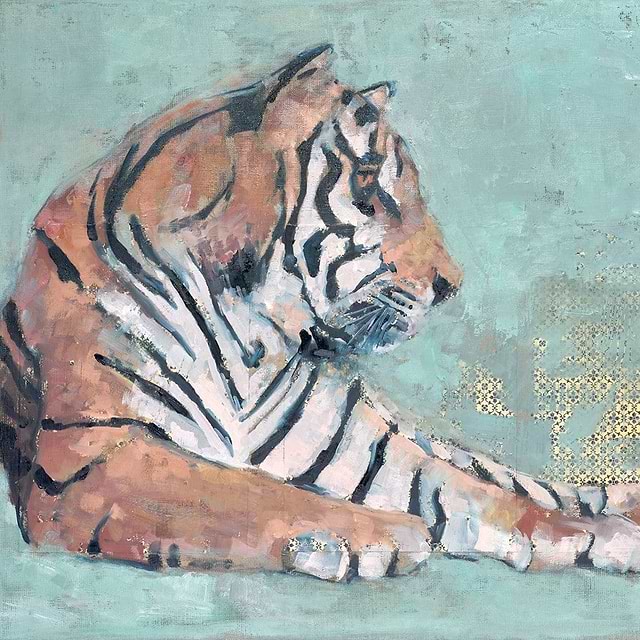
Gina Hawkshaw’s Stalking Tiger commands attention with its intense, close-up portrayal, echoing the reverence and respect that Sir David’s work instils for apex predators. In contrast, Dave White’s Black Rhino and Baby Orangutan transform endangered species into bold, emotive icons — their vivid palettes amplifying both presence and vulnerability.


Dave White
Baby Orangutan
Limited Edition
20 X 20”


Gina Hawkshaw
Stalking Tiger
Original Painting on Box Canvas
36 X 48”
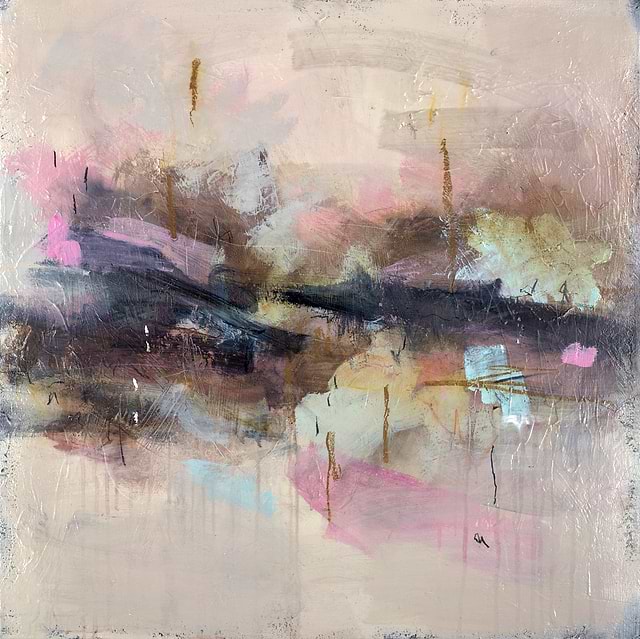
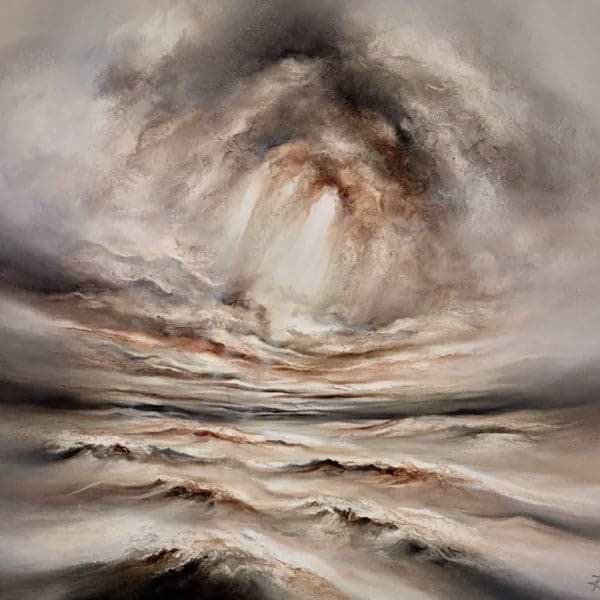
Movement and migration take centre stage in Pip McGarry’s The Crossing, where a herd surges through water with urgency and rhythm, recalling the fleeting, dramatic sequences so often brought to life in Attenborough’s documentaries. A quieter, more contemplative tone emerges in Brian Keith Stephens’ Take it Nice and Easy, where softened forms and muted hues suggest harmony within the natural world.

Pip McGarry
The Crossing
Original Painting on Stretched Canvas
36 X 14”


Brian Keith Stephens
Take it Nice and Easy
Original Painting on Box Canvas
59 X 39"
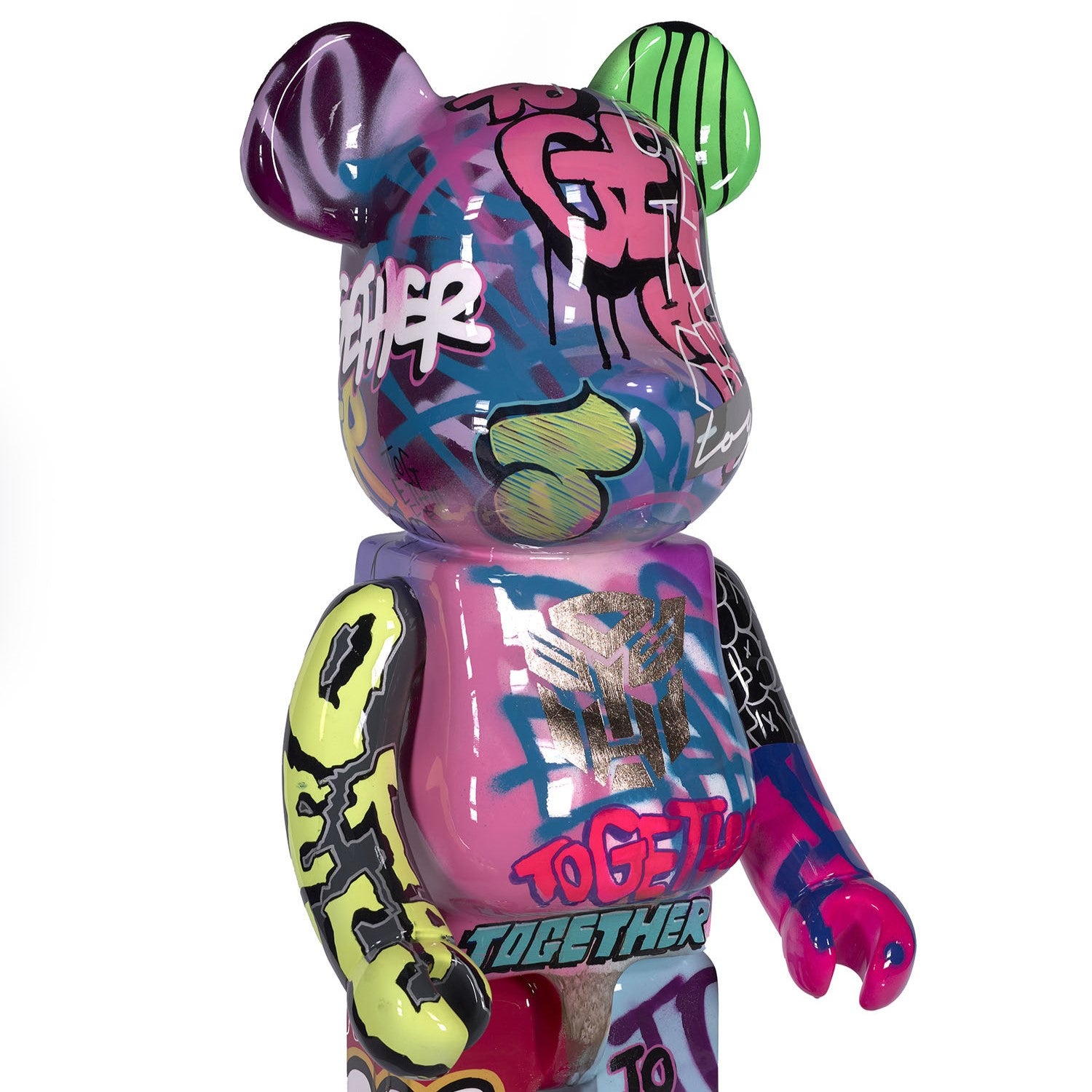
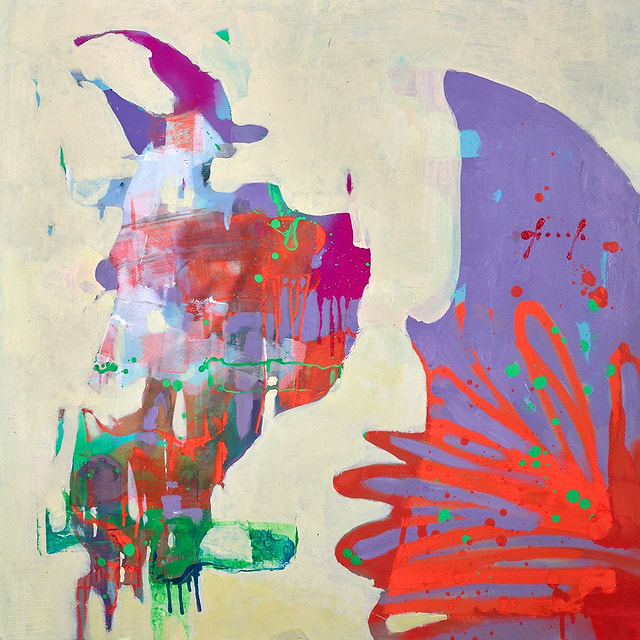
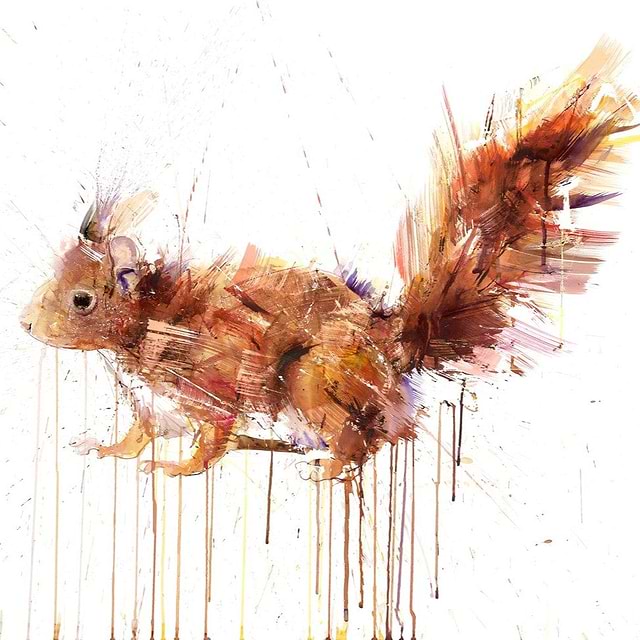
Elsewhere, Dom Pattinson’s Polly Folly introduces a playful, contemporary note, while Julien Marinetti’s sculptural Panda reimagines an iconic species through a vibrant, pop-infused aesthetic — a reminder of how wildlife continues to inspire across generations and disciplines. Darryn Eggleton’s Twiga strips things back to striking simplicity, isolating the giraffe to celebrate its elegance and form.


Dom Pattinson
Polly Folly
Original Mixed Media on Paper
33 X 38”


Darryn Eggleton
Twiga
Original Painting on Box Canvas
22 X 26”
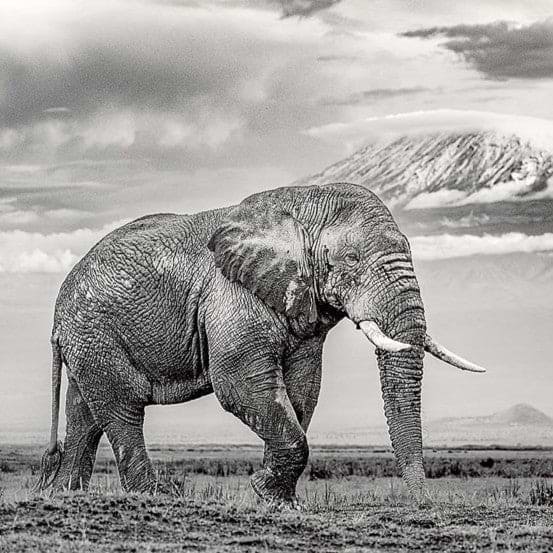
At the heart of the collection sits Skeggs’ own Matriarch, a powerful black-and-white composition that perfectly embodies his approach. “It’s not about always being close and low,” he explains, “it’s about creating a mood — finding a moment of grace and simplicity in a maelstrom of life.” The result is an image that captures not just the physical presence of the elephant, but a sense of legacy, leadership and continuity.
Together, these works form a rich and resonant tribute — not only to the beauty of wildlife, but to the enduring influence of a man who taught us how to truly see it. Through artists like Skeggs and his contemporaries, Attenborough’s legacy lives on: in images that move us, challenge us, and ultimately remind us what is still worth protecting.


Harry Skeggs
Matriarch
Limited Edition
60 X 40"
Sign up with Clarendon to receive exclusive invitations to our exciting programme of exhibitions, artist appearances and celebrity events.